If you’ve ever spent 10 minutes in a room with a cat owner who hasn’t changed their litter in a week, you know the gut punch of that first whiff. As someone who’s spent the last 7 years running a cat litter supply business, I’ve learned that changing litter isn’t just about odor control—it’s about keeping both cats and their humans healthy. Too many pet parents wait until the litter box smells like a neglected dumpster or their cat starts peeing outside the box to make a change, and that’s where problems start. Today, I’m breaking down the real, science-backed signs that tell you it’s time to swap out that old litter for a fresh batch, no guesswork required. Cat Litter

First, let’s get one thing straight: there’s no universal timeline for changing litter. A single-cat household might only need a full change every 7-10 days, while a multi-cat home might need it every 3-5 days. But that timeline shifts based on litter type too—clumping clay, crystal, biodegradable wheat, corn, or pine litters all have different breakdown rates. The clumping clay I supply, for example, absorbs liquid and waste, but the clumps get weaker over time, so that’s a sign we’ll dive into next. The good news is that the signs I’m sharing today apply to almost every litter type, so you can use them regardless of what you’re using.
The most obvious, and most often ignored, sign is persistent odor that lingers even after cleaning the box. I’ve heard so many pet owners say, “I scoop daily, why does it still smell?” Scooping only removes solid waste and fresh clumps—your litter’s core job is to absorb odors, and over time, it gets saturated with ammonia, bacteria, and trace particles of cat urine that even the strongest scoop can’t get. Ammonia isn’t just stinky; it’s a respiratory irritant for both cats and humans, especially if someone has allergies, asthma, or a small child in the home. Last year, we had a customer reach out because their 4-year-old had been coughing nonstop for weeks, and after we walked her through checking her litter, she realized she’d only been scooping and refilling for 3 weeks—her core litter was completely saturated. That’s not a small issue. If you come near the litter box and smell that sharp, tangy ammonia scent even 5 minutes after cleaning, it’s time for a full change. That’s your first red flag.
Next, pay attention to what’s left in the litter after scooping. Clumping litter will start to have soft, crumbly clumps instead of the firm, solid clumps you get when it’s fresh. When litter’s old, the clumping agents break down as they absorb waste, so those clumps fall apart when you scoop, leaving tiny pieces of urine-soaked litter mixed in with the clean stuff. For non-clumping litters (like crystal or pine), you’ll notice that the litter has lost its shape or turned a dull, discolored shade—crystal litter, for example, will go from bright blue or purple to murky gray when it’s no longer absorbing moisture. If you scoop and the waste doesn’t form a consistent, easy-to-remove mass, that’s a clear sign the litter’s absorption capacity is shot. We test our clumping litter rigorously, and we advise customers that if clumps take more than 10 seconds to form or fall apart when you touch them, it’s time for a full change. Another related sign: visible waste buildup that you can’t scoop out. Sometimes small particles of poop or urine get stuck in the bottom of the litter box, especially along the edges or in corners, and after a few days, they harden and become impossible to reach with a scoop. If you lift up the litter and see crusted, discolored material at the bottom, that means your litter is holding way more bacteria than it should—and it’s time to dump it all.
Cats are creatures of habit, and their behavior around the litter box is one of the most reliable indicators that something’s off. If your cat starts avoiding the litter box, that’s a sign. But not all litter box avoidance is a behavioral issue—sometimes it’s because the litter is dirty or uncomfortable. Let’s talk about specific behavioral signs: if your cat spends less time in the litter box than usual, or if they start digging more aggressively, or even pawing at the litter without actually going to the bathroom, that’s a clue. A friend of mine has a senior cat, and last year her cat started avoiding the box, and her vet initially thought it was a urinary tract infection. After ruling out medical issues, we went over her litter routine, and she realized she’d been using the same bag of litter for 2 weeks. The clumps had become sharp and irregular, and her cat, who has sensitive paws, refused to step on it. That’s a real example of how old litter can impact behavior. Another thing to watch: if your cat starts going to the bathroom outside the box in spots that are near the litter box, like the edge of the bath mat or the corner of the laundry room. That’s often not a sign of defiance—it’s a cat choosing a spot that feels cleaner than their current litter box. If you notice that, before you rule out a behavioral issue or take your cat to the vet for every little thing, check your litter. That’s a common misstep I see pet parents make all the time.
Now, let’s get into the nitty-gritty of hygiene, because old litter is a breeding ground for harmful bacteria and parasites. I’m not just guessing here—there’s actual science to back this up. Every time a cat uses the litter box, they leave behind bacteria like E. coli, Salmonella, and even Toxoplasma gondii, the parasite that causes toxoplasmosis. When you scoop, you remove some of these, but over time, the bacteria multiply in the warm, moist environment of old litter. For healthy adult cats, this might not be a big issue, but for kittens, senior cats, or immunocompromised humans, it can lead to infections. Last year, a customer who runs a small cattery told us that switching to our litter and changing it every 5 days (for her 6 cats) reduced the number of stomach bugs her kittens got by 70%. That’s because the fresh litter prevents bacteria from building up to dangerous levels. Another hygiene-related sign: if you notice mold growing in the litter box. Mold can grow if the litter stays wet for too long, and it’s especially common in damp basements or if the litter box is in a high-humidity area. If you see fuzzy spots or a musty smell that doesn’t go away even after cleaning, that’s definitely time to change all the litter. Mold exposure can cause respiratory issues for cats, just like it does for humans, so don’t ignore that.
There are also signs that might seem trivial at first, but add up. Let’s talk about tracking. If your cat is tracking litter all over your floors, and it’s not just a few crumbs, that might mean the litter is breaking down too much. When litter is old, the pieces get smaller and more crumbly, so they stick to your cat’s paws more easily. Fresh, high-quality litter (like the clumping variety we supply) has firmer, more uniform pieces that don’t break apart as easily. If you’re finding litter on every rug, couch cushion, and bed, that’s a sign the old litter is falling apart and needs to be replaced. Another small sign: the level of litter in the box. If you scoop daily and still have to top up with new litter every single day, that’s a clue that the old litter is no longer absorbing waste, so you’re adding fresh litter on top of saturated, useless litter. Instead of topping up constantly, do a full change—you’ll end up using less litter in the long run, which saves you money.
Wait, let’s bust a common myth here: some people think that “flushable” or biodegradable litters last longer, but that’s not true when it comes to full changes. Biodegradable litters break down as they work, so their absorption capacity drops just like clay litter, and they can start to harbor bacteria too if not changed regularly. We supply all types of litter, so I can tell you that regardless of what you use, the signs I’m sharing apply—no litter is meant to stay in the box for weeks on end. The key is that changing litter is a small, regular task that prevents big problems.
So, putting it all together: if you notice persistent ammonia odor even after daily scooping, crumbly or unformed clumps, visible crusted waste at the bottom of the box, changes in your cat’s litter box behavior, mold or musty smells, excessive tracking, or if you’re topping up litter daily instead of doing full changes, it’s time to replace your old litter.
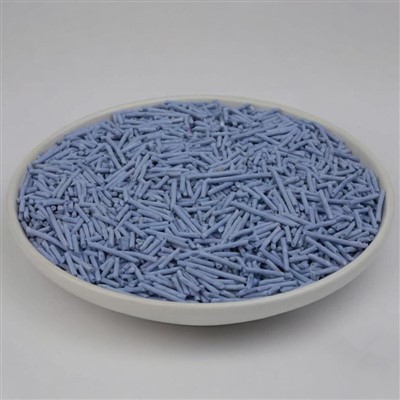
At our cat litter supply company, we don’t just sell litter—we work with pet parents, catteries, and pet stores to find the right litter for their needs, and we provide guidance on proper litter care to keep cats happy and healthy. If you’re a pet owner looking to switch to high-quality, long-lasting litter for your home, or if you’re a business owner looking to partner with a reliable cat litter supplier, we’re here to help. We can answer all your questions about litter types, change schedules, and how to keep your cat’s litter box clean and odor-free. Don’t wait until you notice a problem—stay on top of your litter changes, and your cat (and your nose) will thank you.
Kaolin References:
- American Veterinary Medical Association. (2022). Litter Box Hygiene for Cats. AVMA Animal Health Library.
- International Society of Feline Medicine. (2021). Common Litter-Related Behavioral Issues in Domestic Cats. Journal of Feline Medicine and Surgery.
- Centers for Disease Control and Prevention. (2020). Toxoplasmosis and Cat Litter Box Safety. CDC Parasites Division.
- Feline Health Center, Cornell University College of Veterinary Medicine. (2023). Environmental Factors Affecting Cat Litter Box Preference. Cornell Feline Health Report.
- Pet Product Association. (2022). 2022-2023 National Pet Owners Survey: Litter Care Trends.
Lingshou County LM Mineral Products Co., Ltd.
As one of the most professional cat litter manufacturers and suppliers in China, we’re featured by quality products and good service. Please rest assured to buy customized cat litter made in China here from our factory. Contact us for more details.
Address: Dongzhuang Village, Nanyanchuan Township, Lingshou County, Shijiazhuang City, Hebei Province
E-mail: lmwtwz@163.com
WebSite: https://www.lmwtz.com/
