As a specialized forklift supplier who’s spent the last 12 years on the floor working directly with fleet managers, maintenance crews, and operators, I’ve seen firsthand how corrosion can turn a $60,000 investment into a $10,000 repair job or a total write-off faster than you’d expect. Most people think forklift corrosion is just “rust”—something you sand and paint over quarterly—but specialized forklifts, the ones we build for construction sites, cold storage facilities, chemical plants, and port yards, face corrosion risks far beyond the standard indoor warehouse model. That’s why over the years, I’ve worked hand-in-hand with engineering teams and field service technicians to develop (and refine) anti-corrosion measures that aren’t just band-aids, but long-term solutions tailored to the extreme environments these machines operate in. Specialized Forklifts

First, we have to break down the unique corrosion threats to specialized forklifts, because a lift truck that works in a refrigerated warehouse isn’t fighting the same fight as one that loads salt-studded steel coils at a coastal port. Cold storage forklifts battle constant temperature fluctuations that cause condensation to form inside frame joints, electrical compartments, and hydraulic lines—moisture that sits stagnant and accelerates rust even when the machine is parked. Construction-site forklifts, on the other hand, are exposed to not just rain, but concrete dust (which is alkaline, a powerful corrosion catalyst), mud, and road salt used to melt snow on job sites through winter. Chemical plant forklifts face a whole other level: they’re routinely splashed with mild acids, caustic detergents, and cleaning solutions that eat through unprotected metal in weeks, not months. Port forklifts take the brine, salt spray, and even saltwater immersion from tides, while agricultural specialized lifts deal with fertilizers (highly acidic) and manure (which traps moisture against metal surfaces). Each of these environments demands a targeted anti-corrosion strategy, not a one-size-fits-all paint job.
Let’s start with the structural foundation of the forklift: the chassis, mast, and load-bearing components. For standard warehouse forklifts, a basic powder coat might do, but specialized machines need a far more robust base. Early on, I saw how thin powder coat scratched off when a load shifted or a forklift bumped a pallet rack, leaving exposed steel to corrode within months. Now, we’ve shifted to a two-stage pretreatment process before coating that’s non-negotiable for every specialized lift. First, the entire structural frame (mast, outer chassis, inner uprights, even the hydraulic cylinder barrels) undergoes a hot-dip galvanizing pass for high-corrosion environments like ports and chemical plants. Hot-dip galvanizing works by dipping clean, pre-heated steel into molten zinc, which forms a metallurgically bonded layer—no paint to chip or peel off. That zinc layer acts as both a physical barrier and a sacrificial anode: if a small scratch ever goes through the zinc, the zinc will corrode before the underlying steel, buying years of protection. For less harsh but still demanding environments like construction, we use a zinc-rich primer before applying a high-performance polyurethane topcoat. Unlike regular paint, polyurethane is flexible, so it doesn’t crack or chip when the forklift flexes while lifting heavy loads over uneven ground. We also add sealed edge caps to every cut and weld joint, because those sharp edges are the first place moisture gets trapped and corrosion starts—an issue I’ve caught dozens of times during routine maintenance checks on used units we’ve traded in.
Next, the often-overlooked electrical and hydraulic systems, which are just as vulnerable to corrosion as the structural frame, but cause far more downtime if they fail. Take cold storage forklifts: their battery compartments sit at temperatures that swing from -20°F to 70°F, and condensation builds up inside the battery casing, leading to corrosion on terminal posts and wiring. We now use silicone-based conformal coating on all circuit boards and electrical connectors for these units—this thin, transparent layer repels moisture and corrosive condensation, but doesn’t insulate against electrical flow, so it doesn’t interfere with the lift’s sensors or control systems. For port forklifts, we also switch to marine-grade electrical components: copper wiring with a tin plating to resist salt corrosion, and sealed IP67-rated battery boxes that keep salt spray and moisture out entirely. Hydraulic systems are another weak point. A hydraulic line with a corroded fitting can leak fluid, lead to a load dropping, or even cause a fire in extreme cases. Instead of standard steel hydraulic lines, we use zinc-nickel coated lines for specialized lifts operating in corrosive environments, and we add hydraulic reservoir breathers with desiccant filters. These filters trap moisture before it can get sucked into the reservoir as the forklift cycles, and we check them during every 50-hour maintenance service to make sure they’re not saturated. I learned this lesson the hard way back in 2014: a customer’s port forklift had a contaminated hydraulic system because they skipped changing the breather filter, and we had to replace $12,000 worth of cylinders and pumps. That’s a repair no fleet manager wants to make, so we build the breather filter system into every specialized unit we sell.
Then there’s the operational side of anti-corrosion, which works hand-in-hand with the engineering we build into the machines. No coating, no galvanizing, no component upgrade will protect a forklift if the operator or maintenance crew doesn’t follow basic care routines. For specialized forklift operators in cold storage, we train them to do a 10-minute daily pre-shift check that includes wiping down the mast and electrical connections with a lint-free cloth to remove condensation. We also provide heat blankets for the battery compartments during long idle periods, which reduces condensation buildup. For construction site forklifts, we require operators to pressure-wash the entire forklift (including the undercarriage and mast joints) at the end of every shift, especially after working around concrete dust or road salt. I know pressure washing can feel like a hassle, but a customer in the Midwest found that washing their winter forklifts every night reduced rust-related repairs by 70% over three years. For chemical plant forklifts, we have strict protocols for flushing the hydraulic system and electrical compartments with neutralizing solution (to counteract any acid or caustic splashes) immediately after a spill—waiting even a few hours means the chemical will start eating through protective coatings. We also provide detailed, environment-specific maintenance manuals for every specialized forklift, not the generic ones that come with standard warehouse models. These manuals list exact maintenance intervals, recommended cleaning products, and warning signs of corrosion to watch for, like small bubbles under paint or discoloration on terminal posts.
We’ve also had to adapt anti-corrosion measures as new materials and technologies have emerged. A few years ago, some of our customers started asking for forklifts with aluminum components instead of steel, thinking aluminum wouldn’t rust. But here’s a catch: aluminum can suffer from galvanic corrosion when it comes into contact with steel, especially in the presence of moisture. So we now use isolating gaskets between aluminum and steel components on all specialized lifts, and we coat steel fasteners with a zinc-chromate finish to prevent that reaction. We’ve also started testing nanocoatings on a limited line of port forklifts, which are thinner than traditional coatings but offer the same or better corrosion resistance—perfect for applications where weight is a concern, like container handling forklifts that need extra lifting capacity without adding unnecessary mass. So far, the results have been promising, and we’re rolling out nanocoatings as a standard option for all high-corrosion environment units next year.
I can’t stress enough how much preventative anti-corrosion work saves customers in the long run. Last year, we worked with a cold storage customer that invested in our galvanized mast and silicone-coated electrical systems for their 8 specialized forklifts. They reported that over two years of use, they spent $1,200 total on corrosion-related repairs, compared to a nearby cold storage facility with standard forklifts that spent $18,000 on the same period. For customers on tighter budgets, we also offer corrosion inspection and retrofitting services for existing specialized forklifts—retrofitting doesn’t require buying a whole new machine, it just adds the protective coatings, electrical upgrades, and operational guidelines that extend a lift’s lifespan by 3 to 5 years. That’s a big win, especially for small businesses that can’t afford to replace their fleets every 10 years, which is the average lifespan of a specialized forklift without proper anti-corrosion care.
At the end of the day, specialized forklifts aren’t just machines—they’re critical to keeping operations running, whether that’s a port unloading cargo, a construction site building a new hospital, or a chemical plant producing life-saving medications. Corrosion doesn’t just damage the equipment; it causes downtime, delays, and unnecessary costs that ripple through an entire supply chain. That’s why, as a specialized forklift supplier, anti-corrosion isn’t an afterthought—it’s at the core of how we design, build, and support every unit we sell.
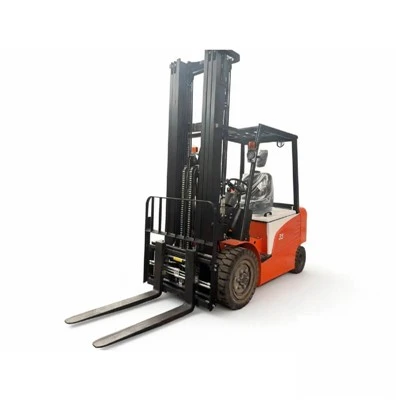
If you’re managing a fleet of specialized forklifts, looking to invest in new units, or need help retrofitting your existing machines to fight corrosion, we’re here to help. Our team can walk you through environment-specific solutions, share real-world case studies from customers in your industry, and answer any questions you have about how to protect your investment. Don’t wait for rust, leaks, or downtime to derail your operations—reach out to our team to start a conversation about tailored anti-corrosion measures for your specialized forklifts.
Heavy Duty Forklift References
- ASME B110.1, Specification for Corrosion Prevention and Control in Material Handling Equipment, 2021
- National Association of Material Handling Industry (NAHMI), Specialized Forklift Corrosion Mitigation Guidelines, 2022
- International Organization for Standardization (ISO) 12944, Paints and Varnishes – Corrosion Protection of Steel Structures by Protective Paint Systems, Part 7: New Work for Industrial and Commercial Buildings, 2017
- Material Handling Industry (MHI), Field Study: Corrosion-Related Downtime in Specialized Forklift Fleets, 2020
- Society of Automotive Engineers (SAE) J2334, Zinc-Rich Primers for Corrosion Protection of Automotive and Industrial Components, 2019
Propolift Machinery Co., Ltd.
Propolift Machinery Co., Ltd. is one of the most professional specialized forklifts manufacturers and suppliers in China, featured by quality products and good price. Please rest assured to buy durable specialized forklifts made in China here from our factory. Welcome to contact us for custom service and OEM service.
Address: No.271, Hardware Industrial Park, Quanzhou, China
E-mail: info@propolift.com
WebSite: https://www.propolift.com/
