If you’ve been in industries like oil and gas, chemical processing, power generation, or even deep-sea subsea operations, you know that high pressure valves aren’t just component parts—they’re the gatekeepers keeping entire systems running safely and efficiently. For over a decade, I’ve worked as a high pressure valve supplier, talking to plant managers, maintenance engineers, and operations leads every week, and one question comes up more than any other: “What happens if we stick with the same high pressure valves long-term, instead of replacing them or upgrading proactively?” It’s a fair question, too—no one wants to throw money at parts that seem to be working, especially when budgets are tight and downtime costs are in the tens of thousands of dollars an hour. But over the years, I’ve seen firsthand that the long-term impacts of relying on high pressure valves (and their gradual degradation) are often far more expensive than the upfront cost of proper maintenance or replacement. Let’s break this down, from the slow, invisible wear that creeps in after years of use, to the catastrophic (and avoidable) outcomes that even seasoned operators can miss when they’re focused on day-to-day operations. High Pressure Valves
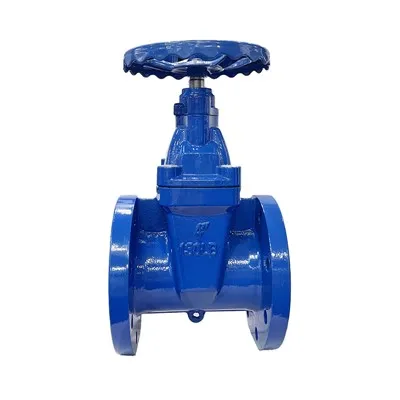
First, let’s set a quick baseline: we’re not talking about new, properly selected high pressure valves here. The valves that handle pressures above 1,000 psi (and often upwards of 15,000 psi for extreme applications) have specific design parameters: material compatibility, seal types, and load ratings matched to their system’s fluid (whether it’s corrosive acid, superheated steam, or abrasive oil), temperature, and pressure cycles. When these valves are run beyond their intended service life without intervention, the first long-term impact hits hard: gradual system efficiency loss that accumulates over time, often masquerading as “normal” operational drift. Let’s take a common example: a ball valve used to control flow in a chemical plant’s high pressure line for hydrochloric acid. Over years, the valve’s seating elements—usually PTFE or metal alloy—wear down as the fluid passes through, creating tiny gaps between the ball and the seat. At first, this leak is so small it’s barely noticeable; operators might see a 1-2% drop in flow rate and write it off as temporary fluctuations in upstream pumps. But six years down the line, that gap grows to 10% or more, forcing the plant’s pumps to work harder to maintain the required system pressure. According to a 2022 study from the American Society of Mechanical Engineers (ASME), unaddressed wear in high pressure valves can lead to a 5-15% increase in overall system energy consumption over 10 years. For a mid-sized refinery running 24/7, that’s an extra $1.2 million to $3.5 million in energy costs—money that could have been avoided with scheduled valve maintenance or replacement. I’ve seen this exact scenario play out at a Gulf Coast petrochemical plant a few years back; they put off replacing a trio of globe valves for seven years, and their electricity bill jumped by 12% before they realized the valves were causing the extra load. The worst part? That efficiency loss is silent—no alarms go off, no red lights flash—so it’s easy to write off as a cost of doing business, until it’s too late.
Next, there’s the wear and tear that’s specific to high pressure environments: cyclic fatigue, which is one of the most underdiscussed long-term risks of high pressure valve use. Every time a system cycles pressure—like when a plant starts up or shuts down, or when a process adjusts flow rates—the valve’s body and internal components (stem, disc, seat) expand and contract at different rates. Over hundreds, then thousands, then tens of thousands of cycles, this creates microcracks in the valve’s material. For valves made of carbon steel, that might take 50,000 cycles to become visible; for valves operating in high-temperature, high-corrosion environments (like those used in power plant boilers or subsea pipelines), that timeline shrinks to 10,000 cycles or less. The long-term impact here isn’t just a leak—it’s a structural failure that can cause a system shutdown, or even a rupture. I remember a call I got from a subsea engineer about a client in the North Sea: they had a gate valve on a deep-sea pipeline that had been in service for eight years, with an average of 20 start-up/shut-down cycles a month. The valve’s body, made of a chrome-moly alloy, developed a microcrack at the pressure boundary after 18,000 cycles. By the time a routine inspection caught it, the crack was 2 inches long, and had started leaking high pressure natural gas and crude oil. The fix? A 12-day shutdown to replace the valve, plus $2.8 million in lost production and inspection costs. The valve’s original design life was 20 years, but cyclic fatigue cut that lifespan in half because the plant’s team didn’t account for how pressure cycling impacts valve components over time.
Another critical long-term impact is corrosion and erosion, which are amplified in high pressure systems. When you’re moving fluids at high pressures, any impurities—like sand in oil, or residual salts in water—act like tiny abrasives, scouring the valve’s internal surfaces every time the flow starts or stops. Meanwhile, the high pressure itself accelerates chemical reactions: a valve seat that would last 15 years in a low-pressure water line might only last 3 years in a high-pressure line carrying saltwater. The problem here is that corrosion and erosion don’t just weaken the valve—they create uneven wear that throws off the entire system’s pressure balance. For example, if a control valve in a natural gas line has an eroded stem, it can’t adjust flow accurately, leading to pressure spikes in adjacent lines. Over months, those spikes cause stress on pipes, pumps, and other valves, creating a chain reaction of wear across the entire system. I’ve worked with a utility company that runs high pressure steam lines for a power plant; they had a set of control valves that were supposed to last 10 years, but after 5 years, erosion from silica in the steam wore down the valve trim so badly that the plant had to reduce its operating pressure by 10% to avoid leaks. That reduced their power output by 8%, costing them $1.1 million in lost revenue annually—all because they didn’t inspect the valves for erosion on a semi-annual basis, as the supplier’s guidelines recommended.
Beyond operational and financial costs, there’s the safety risk, which is the biggest long-term impact of all. High pressure system failures are rarely minor; when a valve fails, it can release flammable, toxic, or high-temperature materials, leading to injuries, fatalities, and regulatory fines. The Occupational Safety and Health Administration (OSHA) reports that 15% of process safety incidents in the oil and gas industry are linked to valve failures, most of which are due to long-term wear and unaddressed degradation. Let’s be clear: this isn’t just about “following rules”—it’s about keeping the people who work around these plants safe. A few years ago, I was at a valve industry conference where I heard from a former refinery safety manager about an incident in 2019: a gate valve on a crude oil pipeline had been in service for 12 years, with no scheduled maintenance. The valve’s stem had corroded from exposure to hydrogen sulfide in the oil, and when the plant tried to close it during a routine pressure test, the stem snapped. High pressure crude oil sprayed out, igniting when it hit a nearby hot surface; two workers were hospitalized, and the plant paid $18 million in fines and settlements. The valve’s design life was 15 years, but the combination of corrosion and lack of inspections cut its lifespan short, with devastating consequences. The manager told me, “We thought the valve was fine because it didn’t leak at first—we checked it once a year, and it passed. But that visual check couldn’t see the corrosion inside the stem, eating away at it for a decade.” That’s the thing about long-term valve impact: most of the damage is invisible until it’s too late.
Now, let’s talk about what this means for you, if you’re relying on high pressure valves in your operations. The good news is that these long-term impacts aren’t inevitable—they’re preventable. Over the years, as a high pressure valve supplier, I’ve worked with clients to develop maintenance plans that extend valve lifespan, avoid unnecessary costs, and keep operations safe. The first step is to stop treating valves like “set it and forget it” components. Most operators only check valves when there’s a problem, but a proactive approach can catch wear, fatigue, or corrosion before it leads to big issues. That means regular non-destructive testing (NDT) to check for microcracks, measuring seating wear during shutdowns, and matching valve materials to your specific fluid and pressure conditions. For example, a client in the food and beverage industry (which uses high pressure valves for pasteurization lines) switched from standard carbon steel valves to stainless steel valves with PTFE seats, and extended their valve lifespan from 3 years to 7 years, cutting their replacement costs by 57% over five years. Another client, a subsea operator, started using valves with advanced seal materials that resist corrosion in saltwater, and reduced their cyclic fatigue-related failures by 80% in three years.

The key takeaway here is that high pressure valves have a finite service life, and the long-term impacts of pushing them beyond that life are far more costly than the upfront investment in proper valve selection, maintenance, and replacement. Whether you’re running a small chemical plant or a large subsea pipeline, the slow wear of valves will creep in—energy costs will rise, efficiency will drop, safety risks will grow, and downtime will become more frequent. But you don’t have to let that happen. If you’re looking to assess the condition of your current high pressure valves, update your maintenance plan, or source high-quality, durable valves designed for your specific application, let’s connect. We can work with you to audit your system, identify potential risks, and find solutions that fit your budget and operational needs. Don’t wait until a valve failure costs you thousands in downtime or, worse, puts your team at risk—take control of your system’s valve performance today.
Valves References
American Society of Mechanical Engineers. (2022). Valves for High-Pressure Process Systems: Wear Mechanisms and Long-Term Performance. ASME Press.
Occupational Safety and Health Administration. (2021). Process Safety Incident Root Cause Analysis: Valve Failure Trends in Oil and Gas Operations. U.S. Department of Labor.
International Association of Oil & Gas Producers. (2020). Subsea Valve Lifespan Optimization: Mitigating Cyclic Fatigue and Corrosion. IOGP Report No. 576.
Yancheng Suhao Valve Industry Co., Ltd.
Address: No. 33, Huashan Road, Economic Development Zone, Funing County, Jiangsu Province
E-mail: Support@suhao.net
WebSite: https://www.suhaoind.com/
