If you’ve ever stood in a sports store aisle or scrolled through a fitness apparel website, you’ve probably noticed two types of knitwear side by side: athletic knitwear and regular knitwear. At our company, we supply athletic knitwear to gyms, sports teams, and fitness brands across North America, and one question we get asked most by new clients is this: what makes athletic knitwear different from the soft sweaters, plain tees, and cardigans people wear on casual weekends? It’s not just a marketing label. The difference is rooted in fabric science, construction, and purpose—and when you’re outfitting a team that’s training 6 days a week, or designing apparel that keeps a runner comfortable during a marathon, that small distinction can make a huge impact on performance, comfort, and even long-term durability. Athletic Knitwear
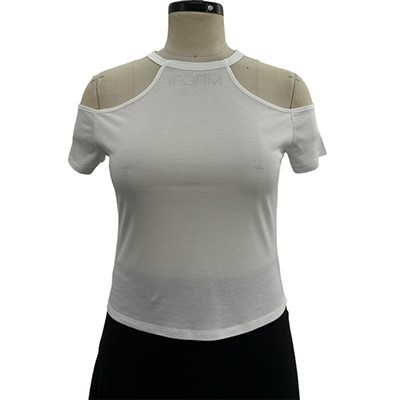
Let’s start with the most obvious difference: the fabric. Regular knitwear is almost always made with natural fibers like 100% cotton, or a soft blend of cotton and polyester that’s designed for relaxation. Cotton, in particular, is breathable in cool weather, but when you sweat, it absorbs moisture and stays wet—sometimes for hours. Think about that classic cotton crewneck you wear on lazy Sundays: if you spill coffee on it, the fabric holds the liquid; if it rains, it stays damp long after you get inside. For everyday wear, that’s fine. For a runner logging 10 miles on a humid morning? That’s a disaster. Wet cotton pulls heat away from your body too quickly, leading to chills and even muscle cramping. It also stretches out after a few washes, loses shape, and starts to develop that rough, pilled texture you hate.
Athletic knitwear, on the other hand, is engineered with performance fabrics tailored to handle sweat, movement, and varying temperatures. Most of our stock uses high-quality polyester blends, often with added spandex (usually 3–10%) for stretch. The key here is moisture-wicking technology. These fabrics are woven or knit with tight, capillary-like fibers that pull sweat away from your skin and spread it across the surface of the garment, where it can evaporate quickly. A great example is our lightweight running tees: even on a 80-degree day, you’ll finish your workout feeling dry, not soggy. We also carry merino wool blends for athletes who train in cold weather—unlike regular wool, which can be scratchy and retains moisture, performance merino is treated to wick sweat and resist odor, so you can wear it for back-to-back practices without it smelling stale. That’s a big win for sports teams on road trips, where laundry facilities might be limited.
Next, construction and knitting techniques. Regular knitwear uses simple stitches that prioritize softness and drape—think the stockinette stitch in a hand-knit scarf, or the basic jersey stitch in a cotton t-shirt. The fabric is relatively loose, which is great for feeling cozy, but that loose weave means it doesn’t hold up to repeated stretching or friction. Grab your favorite cotton hoodie and pull the sleeve fabric gently—you’ll see it stretch easily, and it might not snap back to shape. That’s why regular knitwear often develops baggy elbows, stretched-out hems, and holes at the seams after a few months of wear.
Athletic knitwear is built for movement, so its construction is more precise. We use specialized knitting machines that create fabrics with structured, controlled stretch, not the loose give of casual knitwear. For example, our compression workout tops have a knit stitch that’s tighter around the torso and looser at the shoulders, so they hug muscles to reduce fatigue during training, but still let your arms move freely. We also use flatlock seams instead of the serged or overlocked seams you’ll find on regular knitwear. Flatlock seams are stitched flat against the fabric, so they don’t rub or chafe your skin, even during high-impact activities like weightlifting or sprinting. That’s a game-changer—serged seams can feel like sandpaper after an hour of running, but flatlock seams are smooth enough that you’ll forget you’re wearing them. We also add reinforced stitching at high-stress points, like the neckline and shoulder seams, so our athletic knitwear holds up to hundreds of washes and aggressive movements without falling apart.
Odor resistance is another big distinction that most people don’t notice until they test both types. Regular knitwear, especially cotton, traps sweat and bacteria in its loose fibers. That’s why you have to wash your casual tees after every wear, even if you only went for a short walk. Performance athletic knitwear is treated with antimicrobial technology during production, or made with fabrics like merino wool that naturally resist odor-causing bacteria. We’ve had college football teams use our training hoodies for full weeks of practice without washing them, and the only time they needed a wash was after a heavy rainstorm or mud game. Compare that to their old cotton hoodies, which would start smelling like old gym socks after one practice. It’s a small feature, but it cuts down on laundry time, extends the life of the garments, and keeps athletes feeling confident, even after long days at practice.
Temperature regulation is where athletic knitwear really shines, especially for year-round use. Regular knitwear is designed for static temperatures—if you wear a cotton sweater in a warm room, you’ll overheat; if you wear it outside when it’s chilly, you’ll get cold and stay that way. Athletic knitwear is engineered for dynamic activity, so it adapts to your body’s changing temperature as you move. Our midweight training layers, for example, have a fabric that traps a thin layer of warm air close to your skin when it’s cold, and opens up to let excess heat escape when you start sweating. We also make lightweight, moisture-resistant outer layers for outdoor sports like hiking and soccer—these fabrics repel light rain and wind, but still breathe enough that you won’t feel clammy inside. Regular knitwear can’t do that: a cotton sweater will get soaked through in a light rain, and a thick acrylic knit will trap heat so badly that you’ll be sweating within five minutes of moving.
Durability is a practical difference that matters a lot for bulk orders, which is what we specialize in. A basic cotton t-shirt might cost $10, but it will start to pill, stretch, and fade after 10–15 washes. A high-quality athletic knit tee, while it might cost a bit more upfront, can last 50+ washes with minimal fading, pilling, or shape loss. For sports teams, that means you don’t have to re-order uniforms every season, and for fitness brands, it means their apparel will keep customers coming back for replacements. We test all of our athletic knitwear through a series of wash and wear tests to make sure it holds up—we put our fabrics through 50 wash cycles at 100 degrees, stretch them repeatedly, and rub them against rough materials to simulate friction, and they still look and perform like new. Regular knitwear would start to show signs of wear after just a handful of these tests.
But here’s the thing: athletic knitwear isn’t always better than regular knitwear. It’s designed for a specific purpose. If you’re looking for a cozy sweater to wear on the couch with a book, or a soft tee for a casual brunch, regular knitwear is perfect. It’s affordable, comfortable for low-activity days, and comes in thousands of styles, colors, and patterns that athletic knitwear rarely matches. Athletic knitwear is built for movement, performance, and durability, so it doesn’t have that same soft, casual drape. It’s often more fitted, more structured, and less flashy when it comes to design—though we do offer plenty of custom options, including team logos and custom colorways, for sports teams and fitness brands.
Over the years, we’ve worked with everything from high school soccer teams to professional running clubs, and we’ve seen first-hand how choosing the right knitwear makes a difference. A soccer player in a cotton training jersey will be wet and cold by halftime; a player in our moisture-wicking athletic knit jersey will stay dry and comfortable enough to play hard for 90 minutes. A runner in a regular knit tee might have to cut their run short because of chafing; a runner in our flatlock-seamed athletic knit tee can keep going for miles. It’s not just about the fabric—it’s about understanding what people need when they’re moving their bodies, and building apparel that meets those needs.
If you’re a team manager, a fitness brand owner, or someone looking to bulk order high-performance athletic knitwear, the difference between regular knitwear and athletic knitwear isn’t just a detail—it’s the difference between apparel that works for you, and apparel that holds you back. We supply athletic knitwear tailored to every sport and activity, from training tees and compression layers to outerwear and accessories. Whether you’re outfitting a local little league team or planning a line of fitness apparel for your brand, we can help you find the right fabrics, constructions, and styles to fit your needs.

If you’re ready to discuss bulk orders, customizations, or pricing for our athletic knitwear, we’d love to connect with you. We work with clients of all sizes, from small local teams to large national brands, and we’re committed to delivering high-quality, durable athletic apparel that performs as hard as the people who wear it.
Men’s Knitwear References:
- Tucker, A. (2022). Performance Textiles for Athletic Apparel. Textile Research Journal.
- Lee, S. H., & Kim, J. (2021). Moisture Management Properties of Knit Fabrics for Active Wear. Journal of Fiber Bioengineering and Informatics.
- American Apparel and Footwear Association. (2023). Global Athletic Apparel Market Report: Fabric and Construction Innovations.
- Merino Wool Association. (2022). Technical Specifications for Performance Merino Blends in Athletic Wear.
- International Journal of Clothing Science and Technology. (2020). Seam Technology and Chafe Prevention in High-Impact Athletic Apparel.
Zhongshan Aorong Clothing Co., Ltd.
As one of the leading athletic knitwear manufacturers and suppliers in China, we offer a wide range of products with superior quality. Please rest assured to buy customized athletic knitwear made in China here from our factory. For quotation, contact us now.
Address: No. 2, Xingyuan Road, Pingdong Industrial Zone, Sanxiang Town, Zhongshan City, Guangdong Province, China
E-mail: aorong@takvengcn.com
WebSite: https://www.cnaorong.com/
