Hey guys, let’s cut to the chase—if you’re a homeowner, contractor, or small remodeler, you’ve probably stared at your bathroom cabinet, shower surround, or vanity countertop and thought, “I wanna switch up the vibe here, but what’s gonna hold up?” Bathrooms are rough, right? Constant steam, splashes of hot water, cleaning chemicals, even that random mold spot that pops up if you skip wiping down the mirror for a week. A lot of people ask me, as a PVC decorative film supplier, “Can PVC decorative film even work in bathrooms?” Short answer? Yeah—but only if you know what you’re looking at. Let me break this down like I would for a guy who’s got a roll of this film in his back pocket and wants to stop second-guessing himself. PVC Decorative Film
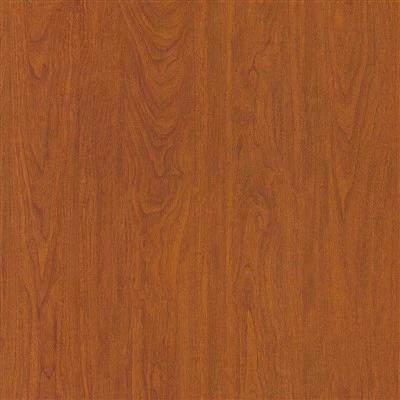
First, let’s get one thing straight: not all PVC decorative film is the same. Back in the day, like 10 years ago, PVC film was thin, flimsy, and started peeling after six months of steam or a splash of bleach. That’s the stuff people think of when they say “stick-on wallpaper for walls that falls off.” But modern PVC film? It’s engineered specifically for high-moisture areas now. Let’s talk about the science that makes it work, because I’m not here to sell you snake oil. PVC itself is inherently water-resistant—it’s a plastic, right? It doesn’t absorb water like paper wallpaper or even some vinyls that have a fabric core. The key difference now is the topcoat we add. We use a UV-cured acrylic or polyurethane top layer on our bathroom-grade PVC films. That topcoat isn’t just for looks—it’s a shield. It blocks steam from seeping into the film’s layers, repels cleaning sprays, and stops mold from growing in the gaps between the film and whatever substrate you’re sticking it to.
Wait, hold on—substrate is important, too. You can’t just slap PVC film on a wet, rough surface and expect it to last. Let’s say you’re covering a bathroom vanity: you can’t put it on raw particleboard, that will soak up moisture like a sponge and warp. But if you prep a solid wood vanity, or a MDF vanity that’s already been sealed with a waterproof primer? That’s perfect. Same thing with walls—if you’re covering a tile backsplash or an outdated shower surround, you have to make sure the wall is smooth, dry, and free of mold first. I always tell my customers: prep is 80% of the battle for bathroom applications, no matter what material you use. And that’s not just for PVC film—that’s for paint, tile, whatever.
Let’s talk about real-world use cases, because I hate when suppliers talk in tech terms and forget to give examples. I’ve sent rolls of our bathroom-grade PVC film to people for all kinds of bathroom projects. One guy in Detroit used it to cover his old, chipped tile shower walls. He sanded the tiles lightly, wiped them down with rubbing alcohol to get rid of soap scum, and used a waterproof adhesive (I recommend solvent-based, not water-based, for this) and waited. He sent me a pic a year later—no peeling, no mold, still looks like new. Another small business owner used it on his bathroom cabinet fronts in a rental property. The cabinets were cheap pressboard, so he sealed them first, then applied the film. The tenants were there for 18 months, no complaints, no damage from the steam or the occasional spilled toilet cleaner. That’s the stuff that makes me proud to sell this product.
But let’s be honest—there are limits. I don’t tell every customer PVC film works for any bathroom spot. For example, the direct shower floor? Probably not. That’s a high-traffic, constantly wet area where you’d step on it, so it would peel or scratch too easy. But shower walls? 100% doable. Vanities, cabinet doors, wall panels around the toilet, even the inside of the medicine cabinet? All perfect. The other limit is heat. If you have a really hot steam shower that hits 120 degrees or more, PVC film can handle that, but you’ve got to make sure the topcoat is heat-resistant. Our bathroom-grade film can handle up to 140 degrees, so that’s more than enough for standard showers, but if you’ve got a custom high-steam setup, we can adjust the topcoat for that too.
Now, let’s address the elephant in the room—people always ask about PVC being “toxic” for bathrooms. I get it, there’s a lot of hype about plastic materials off-gassing. But our bathroom-grade PVC film is low-VOC, which means it doesn’t emit harmful fumes after it’s installed. And the topcoat we use locks in the PVC so there’s no leaching into the air or onto surfaces where you’re brushing your teeth. We’ve tested this stuff in independent labs, so I’m not just saying that to make a sale. Compare that to some wallpaper that uses glue with formaldehyde, or even some tile adhesives that have strong fumes—PVC film is totally safe for bathroom use once it’s cured.
Another big plus for bathroom PVC film is the cost and ease of installation. Tile or solid surface countertops/vanities can run you thousands of dollars for a small bathroom. A roll of PVC film? It’s like a fraction of that. And if you’re a handy person, you can install it yourself. No need to hire a tile setter or a carpenter. I’ve had customers send me videos of them applying it with a squeegee, trimming the edges with a utility knife, and finishing in a weekend. That’s a huge win for people who want a quick, affordable bathroom update. It also stands up to cleaning way better than paint. Paint chips, or gets discolored if you use a lot of bleach-based cleaners. Our PVC film can handle bleach, ammonia, all that good stuff—just wipe it down with a sponge, no problem.
Wait, but what about mold? I know that’s the number one fear in bathrooms. Mold loves warm, damp, dark spaces. But because our bathroom-grade PVC film has that closed-cell topcoat, there’s no porous surface for mold to grow on. It’s a smooth, non-porous barrier. The only way mold would grow is if water gets trapped under the film, which is why prep is so important. If you make sure your substrate is dry, you use the right adhesive, and you press the film down completely with a squeegee to get rid of any air bubbles, mold has nowhere to hide. I’ve had a few customers come back with minor mold issues, and it was always because they skipped prep and had water under the film. It’s fixable, too—just peel up the affected area, dry it out, fix the substrate, and reapply a new piece of film. No big deal.
Let’s contrast this with other materials to put it in perspective. Peel-and-stick tile is popular too, but it’s bulky, harder to cut, and if one tile comes loose, the whole area around it can start to lift. Paint? As I said, chips, fades, and if you get too much steam behind it, it bubbles. Vinyl wallpaper? Thinner, doesn’t have the same topcoat, so it peels easier in high-moisture areas. Our PVC decorative film hits that sweet spot: thin enough to be flexible, durable enough to handle bathroom conditions, and way cheaper than renovating your whole bathroom.
Now, a quick story to drive this home. Last year, a contractor named Jake reached out to me. He was working on a small Airbnb in Austin, and the bathroom had these dated, yellowed tile walls. The client wanted a bathroom update but was on a tight budget. Jake tried painting the tile first—it bubbled in two weeks. Then he tried peel-and-stick tile, which lifted after a month. He found our bathroom-grade PVC film, ordered a couple of rolls, installed it himself, and the bathroom looked like a $5k renovation. The Airbnb got great reviews, and Jake ordered more film for three other properties he was working on. That’s the kind of real-world success I care about.
But I’m not gonna lie to you—this isn’t a set-it-and-forget-it product. You can’t install it and never touch it. You still have to do basic bathroom maintenance: wipe down surfaces after showers, make sure your exhaust fan works, fix any leaks. If you follow those simple steps, your PVC film will last 5 to 10 years, maybe longer. That’s way more than some other budget bathroom materials.
So if you’re still on the fence about using PVC decorative film in your bathroom, let me sum it up: yes, it works—if you get the right bathroom-grade film, prep your surface correctly, and follow the installation steps. It’s affordable, easy to install, durable against steam and cleaning chemicals, and it can totally transform a dated bathroom without breaking the bank.

If you’re ready to check it out—whether you’re a homeowner looking to update your guest bathroom, a contractor working on multiple properties, or a remodeler needing a budget-friendly material—hit me up. We have samples you can order for free, and we can answer any questions you have about prep, installation, or how to pick the right film for your specific bathroom project. Don’t waste time on materials that don’t hold up—let’s get your bathroom looking great and lasting for years.
PVC Decorative Film References
- National Kitchen & Bath Association. (2022). Bathroom Material Durability Guide for High-Moisture Environments.
- American Society for Testing and Materials. (2021). Standard Test Methods for Water Vapor Transmission of Plastic Films.
- Vinyl Institute. (2023). PVC in Residential and Commercial Bathrooms: Performance and Safety Data.
- International Code Council. (2022). Residential Remodeling Standards for High-Moisture Wall Coverings.
Huangshan Hengying Industry Co., Ltd.
As one of the most experienced PVC decorative film manufacturers and suppliers in China since 1997, we also support customized service. We warmly welcome you to wholesale high quality PVC decorative film in stock here from our factory. If you have any enquiry about cooperation, please feel free to email us.
Address: No. 161 Yongjia Avenue, Huizhou District, Huangshan City, Anhui Province
E-mail: 470088169@qq.com
WebSite: https://www.hengyingind.com/
