The energy consumption of a Spiral Wound Membrane system is a critical aspect that greatly impacts its operational efficiency and cost – effectiveness. As a reliable supplier of Spiral Wound Membrane systems, I am often asked about this topic. In this blog, I will delve into the factors that influence the energy consumption of these systems, how to calculate it, and strategies to optimize energy use. Spiral Wound Membrane
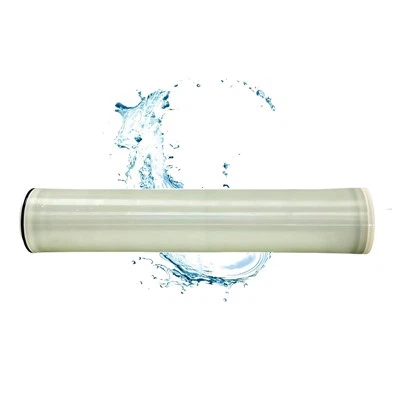
I. Factors Affecting the Energy Consumption of Spiral Wound Membrane Systems
1. Pressure Requirements
The most fundamental factor that drives energy consumption in a Spiral Wound Membrane system is the pressure needed to force water through the membrane. The purpose of these membranes is to separate contaminants from water, and different applications require different levels of separation. For example, reverse osmosis (RO), a common use of Spiral Wound Membrane, is used for desalination and high – purity water production. In RO, a very high pressure is required to overcome the osmotic pressure of the solution, typically ranging from 15 – 120 bar. The higher the pressure, the more energy is needed to run the pumps that generate this pressure.
The pressure requirements are influenced by the feed water characteristics. Water with a high salt content or a large number of suspended solids will need a higher pressure to achieve the desired separation. As a supplier, we often conduct water quality tests before recommending a Spiral Wound Membrane system. Based on the analysis of the feed water’s total dissolved solids (TDS), turbidity, and pH, we can estimate the appropriate pressure and thus the energy consumption for the customer’s specific application.
2. Flow Rate
The flow rate of the water through the membrane system is another significant factor in energy consumption. The higher the flow rate, the more energy is required to pump the water through the membranes at the necessary pressure. A large – scale industrial water treatment plant that needs to process a high volume of water per hour will consume more energy compared to a small – scale residential system with a lower flow rate.
However, it’s important to note that there is an optimal flow rate for each Spiral Wound Membrane system. If the flow rate is too low, the system’s productivity will be reduced, and the membrane may foul more quickly. On the other hand, if the flow rate is too high, it can increase the pressure drop across the membrane, leading to higher energy consumption and potentially damaging the membrane elements. As a supplier, we provide detailed guidelines on the recommended flow rates for our Spiral Wound Membrane systems to ensure both high – efficiency operation and long – term membrane integrity.
3. Membrane Resistance
The resistance of the Spiral Wound Membrane itself also affects energy consumption. New membranes have a relatively low resistance, but over time, the membrane surface can become fouled with contaminants such as salts, bacteria, and organic matter. This fouling increases the resistance to water flow, meaning that more pressure is required to maintain the same flow rate. As a result, energy consumption rises.
To mitigate the impact of membrane fouling, regular maintenance and cleaning of the Spiral Wound Membrane system are essential. We offer membrane cleaning chemicals and maintenance programs to our customers to keep the membrane resistance at a minimum. By reducing membrane fouling, we can not only extend the membrane’s lifespan but also decrease energy consumption.
II. Calculating the Energy Consumption of Spiral Wound Membrane Systems
To calculate the energy consumption of a Spiral Wound Membrane system, we first need to determine the power consumption of the pumps. The power (P) required to pump water through the system can be calculated using the following formula:
P = (Q × ΔP) / (ρ × g × η)
Where:
- Q is the flow rate of the water (m³/s)
- ΔP is the pressure difference across the pump (Pa)
- ρ is the density of water (kg/m³)
- g is the acceleration due to gravity (m/s²)
- η is the pump efficiency
Let’s assume a simple example. Suppose we have a Spiral Wound Membrane system with a flow rate Q of 0.01 m³/s, a pressure difference ΔP of 3 × 10⁶ Pa, the density of water ρ of 1000 kg/m³, the acceleration due to gravity g of 9.81 m/s², and a pump efficiency η of 0.8.
First, we substitute these values into the formula:
P = (0.01×3×10⁶) / (1000×9.81×0.8)
P = 30000 / 7848 ≈ 3.82 kW
This calculation gives us the power consumption of the pump. To find the total energy consumption over a certain period, we multiply the power by the time of operation. For example, if the system operates for 24 hours a day, the daily energy consumption E is:
E = P × t = 3.82×24 = 91.68 kWh
III. Strategies to Optimize Energy Consumption in Spiral Wound Membrane Systems
1. System Design Optimization
Proper system design is crucial for minimizing energy consumption. We, as a supplier, work closely with our customers during the design phase to select the most appropriate membrane configuration, pump type, and piping layout. For example, using multiple smaller pumps in parallel instead of a single large pump can provide better control over the flow rate and pressure, allowing the system to operate more efficiently at different loads.
We also consider the use of energy – recovery devices in the system design. In high – pressure applications like reverse osmosis, a significant amount of energy is wasted in the concentrate stream. Energy – recovery devices can capture this energy and reuse it to reduce the overall energy input required by the system.
2. Feed Water Pretreatment
Effective feed water pretreatment can significantly reduce energy consumption. By removing suspended solids, organic matter, and other contaminants before the water enters the Spiral Wound Membrane system, we can prevent membrane fouling and reduce the pressure required for filtration. Pretreatment methods may include sediment filtration, activated carbon filtration, and chemical dosing to control pH and prevent scaling.
3. Monitoring and Control
Implementing a comprehensive monitoring and control system is essential for optimizing energy consumption. By continuously monitoring parameters such as pressure, flow rate, and water quality, we can adjust the system’s operation in real – time. For example, if the feed water quality changes, the system can automatically adjust the pressure and flow rate to maintain the desired level of separation while minimizing energy use.
IV. Conclusion

The energy consumption of a Spiral Wound Membrane system is influenced by multiple factors, including pressure requirements, flow rate, and membrane resistance. By understanding these factors and using appropriate calculation methods, we can estimate the energy consumption accurately. Moreover, through strategies such as system design optimization, feed water pretreatment, and monitoring and control, we can significantly reduce energy use and improve the overall efficiency of the system.
Containerized Water Treatment System As a leading Spiral Wound Membrane supplier, we are committed to providing our customers with high – quality products and solutions that not only meet their water treatment needs but also help them save energy and reduce operating costs. If you are interested in learning more about our Spiral Wound Membrane systems or have specific requirements for your water treatment project, please feel free to contact us for a detailed consultation. We are looking forward to discussing how our products can best fit your needs and contribute to your energy – saving goals.
References
- Cheryan, M. (1998). Ultrafiltration and Microfiltration Handbook. Technomic Publishing.
- Mulder, M. (1996). Basic Principles of Membrane Technology. Kluwer Academic Publishers.
- Baker, R. W. (2012). Membrane Technology and Applications. Wiley.
Hangzhou Nanoimp Environmental Technology Co., Ltd.
With abundant experience, we are one of the most professional spiral wound membrane manufacturers and suppliers in China. Welcome to wholesale high quality spiral wound membrane in stock here and get pricelist from our factory. We also accept customized orders.
Address: Road 25, Baiyang Street, Qiantang District, Hangzhou City, Zhejiang Province
E-mail: keith.wang@nano-sepmer.com
WebSite: https://www.nanoimp-membrane.com/
