As a supplier of fire exhaust fans, I understand the critical role these devices play in safeguarding lives and property during a fire. Fire exhaust fans are designed to remove smoke and hot gases from a building, creating a safer environment for evacuation and firefighting operations. In this blog post, I will discuss the key fire – protection measures for a fire exhaust fan. Fire Exhaust Fan

1. Design and Installation
1.1 Compliance with Standards
The design and installation of fire exhaust fans must comply with relevant national and international standards. For example, in the United States, the National Fire Protection Association (NFPA) provides detailed guidelines on the design, installation, and maintenance of fire – protection systems, including fire exhaust fans. These standards ensure that the fans are capable of withstanding high temperatures and operating effectively during a fire.
1.2 Location and Placement
Proper location and placement of fire exhaust fans are crucial. They should be installed in areas where smoke and hot gases are likely to accumulate, such as near stairwells, corridors, and large open spaces. The fans should be positioned in a way that allows for efficient extraction of smoke and gases, minimizing the spread of fire and smoke throughout the building.
1.3 Ductwork Design
The ductwork connected to the fire exhaust fan is also an important aspect of fire protection. The ducts should be made of fire – resistant materials and be properly sealed to prevent the leakage of smoke and hot gases. The size and configuration of the ducts should be designed to ensure adequate airflow and pressure for effective smoke extraction.
2. Material Selection
2.1 Fire – Resistant Materials
The components of the fire exhaust fan, including the housing, blades, and motor, should be made of fire – resistant materials. For example, the housing can be made of steel or aluminum that has been treated to withstand high temperatures. The blades should be made of materials that can resist deformation and maintain their performance under fire conditions.
2.2 Insulation
Insulation is another important factor in fire protection. The fan and its ductwork should be insulated to prevent the transfer of heat to other parts of the building. This helps to reduce the risk of fire spreading and protects the integrity of the fan and duct system.
3. Electrical System Protection
3.1 Emergency Power Supply
A reliable emergency power supply is essential for fire exhaust fans. In the event of a power outage during a fire, the fan should be able to continue operating using an emergency power source, such as a generator or a battery backup system. This ensures that the fan can continue to remove smoke and hot gases, even when the main power supply is disrupted.
3.2 Electrical Wiring and Circuit Protection
The electrical wiring of the fire exhaust fan should be installed in a way that is protected from fire and heat. The wiring should be enclosed in fire – resistant conduits, and circuit breakers and fuses should be used to protect the electrical system from overloads and short circuits.
4. Maintenance and Testing
4.1 Regular Inspections
Regular inspections of the fire exhaust fan are necessary to ensure its proper functioning. Inspections should include checking the fan’s mechanical components, such as the blades, bearings, and belts, for wear and tear. The electrical system should also be inspected for any signs of damage or malfunction.
4.2 Testing and Commissioning
Before the fire exhaust fan is put into service, it should be thoroughly tested and commissioned. This includes testing the fan’s performance under normal and fire – like conditions, as well as verifying the operation of the emergency power supply. Regular testing should also be carried out during the fan’s service life to ensure its continued reliability.
4.3 Maintenance Schedule
A comprehensive maintenance schedule should be established for the fire exhaust fan. This schedule should include tasks such as lubrication, cleaning, and replacement of worn – out parts. Regular maintenance helps to extend the lifespan of the fan and ensures its optimal performance during a fire.
5. Training and Education
5.1 Operator Training
The operators of the fire exhaust fan should receive proper training on its operation and maintenance. They should be familiar with the fan’s controls, emergency procedures, and safety features. This training helps to ensure that the fan is used correctly and effectively during a fire.
5.2 Fire Safety Education
In addition to operator training, fire safety education should be provided to building occupants. This includes educating them on the importance of fire exhaust fans and how to respond in the event of a fire. Fire safety education can help to reduce panic and improve the effectiveness of evacuation procedures.
6. Integration with Fire Alarm Systems
6.1 Automatic Activation
Fire exhaust fans should be integrated with the building’s fire alarm system. When a fire is detected by the fire alarm, the fan should be automatically activated to start removing smoke and hot gases. This integration ensures a timely response to a fire and helps to improve the safety of the building.
6.2 Monitoring and Control
The fire exhaust fan system should be equipped with monitoring and control devices that allow for remote operation and monitoring. This enables building managers and firefighters to control the fan’s operation from a central location, even during a fire.
Conclusion
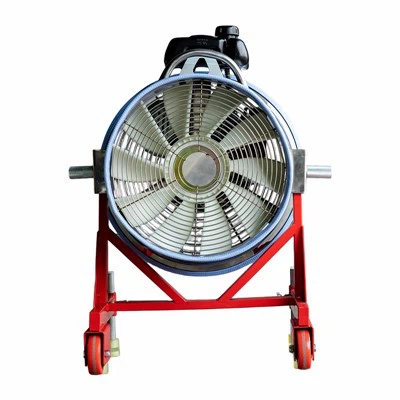
Fire exhaust fans are an essential part of a building’s fire – protection system. By implementing the fire – protection measures discussed above, we can ensure that these fans operate effectively during a fire, protecting lives and property. As a fire exhaust fan supplier, we are committed to providing high – quality products and services that meet the highest standards of fire protection.
Fire Service Bamboo Ladder If you are interested in purchasing fire exhaust fans or have any questions about fire – protection measures, please contact us for a consultation. Our team of experts is ready to assist you in selecting the right fire exhaust fan for your needs.
References
- National Fire Protection Association (NFPA). NFPA 90A: Standard for the Installation of Air – Conditioning and Ventilating Systems.
- International Building Code (IBC). Requirements for fire – protection systems in buildings.
- ASHRAE (American Society of Heating, Refrigerating and Air – Conditioning Engineers). Guidelines for ventilation and air – conditioning systems in fire – prone areas.
Taizhou Mingxin Fire Protection Technology Co., Ltd.
As one of the most professional fire exhaust fan manufacturers in China, we warmly welcome you to buy bulk high quality fire exhaust fan made in China here from our factory. Good service and low price are available.
Address: Group 3, Xinzhouqiao Community, Jingtai Road Subdistrict, Hailing District, Taizhou City (within Taizhou Station North Logistics Management Co., Ltd.)
E-mail: mingxinxf@163.com
WebSite: https://www.mxfiretech.com/
