Cavalry twill is a remarkable fabric with a rich history and a wide range of applications. As a supplier of this high – quality material, I’ve witnessed the diverse needs of customers and understand the challenges they face in choosing the right cavalry twill fabric. Here, I’ll share some key factors to consider when making this important decision. Cavalry Twill
Understanding Cavalry Twill
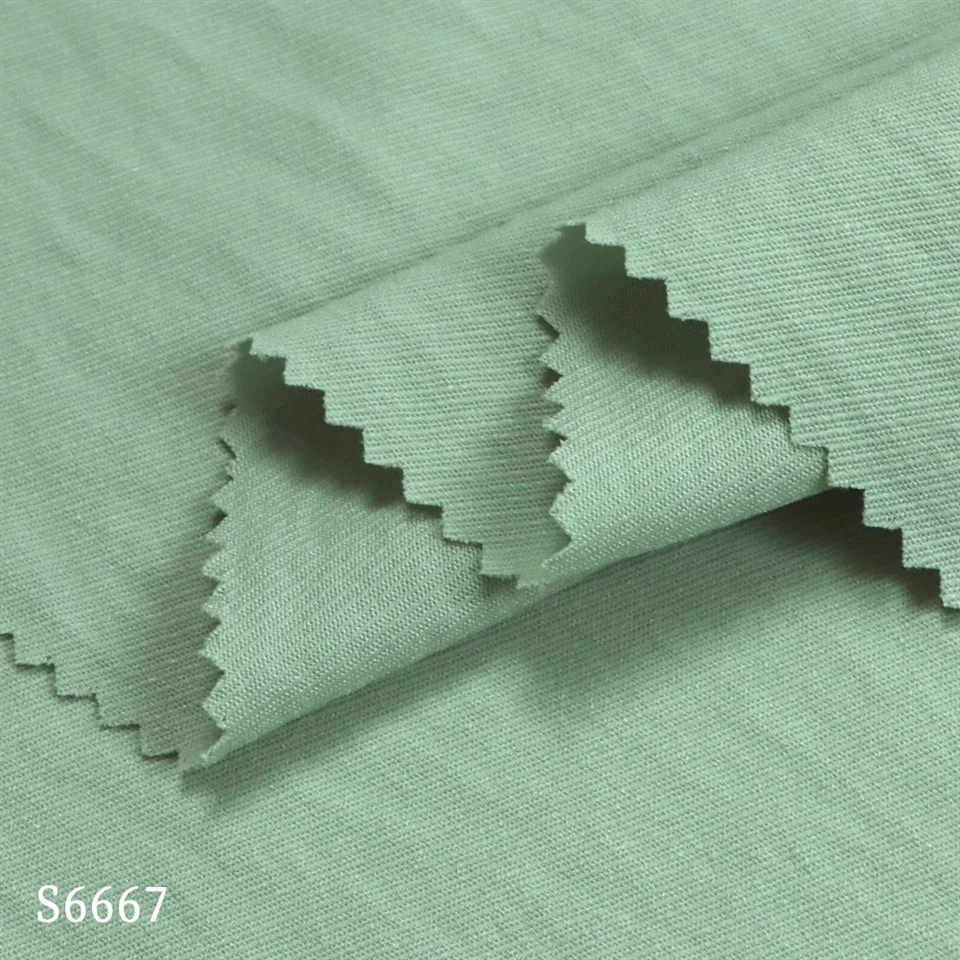
Before delving into the selection process, it’s essential to understand what cavalry twill is. Cavalry twill is a type of twill weave fabric that is typically characterized by its diagonal ribbing pattern. This fabric was originally developed for military uniforms, specifically for cavalry units, due to its durability and strength. It is commonly made from a blend of cotton and other fibers, such as wool or synthetic materials, which contribute to its unique properties.
Quality of Fibers
The first aspect to consider when choosing cavalry twill fabric is the quality of the fibers used. If you’re looking for a natural and breathable option, cotton is an excellent choice. Pure cotton cavalry twill fabric is soft against the skin, absorbs moisture well, and is suitable for a variety of climates. However, it may wrinkle more easily compared to blended fabrics.
Wool, on the other hand, adds warmth and resilience to the fabric. Woolen cavalry twill is ideal for colder regions or for products that require insulation. It also has a natural ability to resist stains and odors, making it a practical choice for long – lasting use.
Synthetic fibers, such as polyester, are often added to cavalry twill to enhance its strength, wrinkle – resistance, and colorfastness. Polyester – blended cavalry twill is easy to care for and maintains its shape well over time. When evaluating the fiber quality, look for fabrics that are made from high – grade raw materials. You can check the fiber content label on the fabric roll to ensure that you’re getting the right blend for your needs. For example, a 65% cotton and 35% polyester blend might offer a good balance of comfort and durability.
Weave Density
Weave density refers to the number of yarns per square inch of the fabric. A higher weave density generally indicates a more durable and tightly – woven fabric. Cavalry twill with a high weave density is less likely to tear or fray, making it suitable for heavy – duty applications like workwear or outdoor gear.
Conversely, a lower weave density may result in a lighter and more breathable fabric. This type of cavalry twill is often used for casual clothing or items where flexibility and comfort are key. When testing the weave density, you can feel the fabric’s thickness and stiffness. A dense fabric will feel more robust and substantial in your hand, while a less – dense one will be softer and more pliable.
Color and Finish
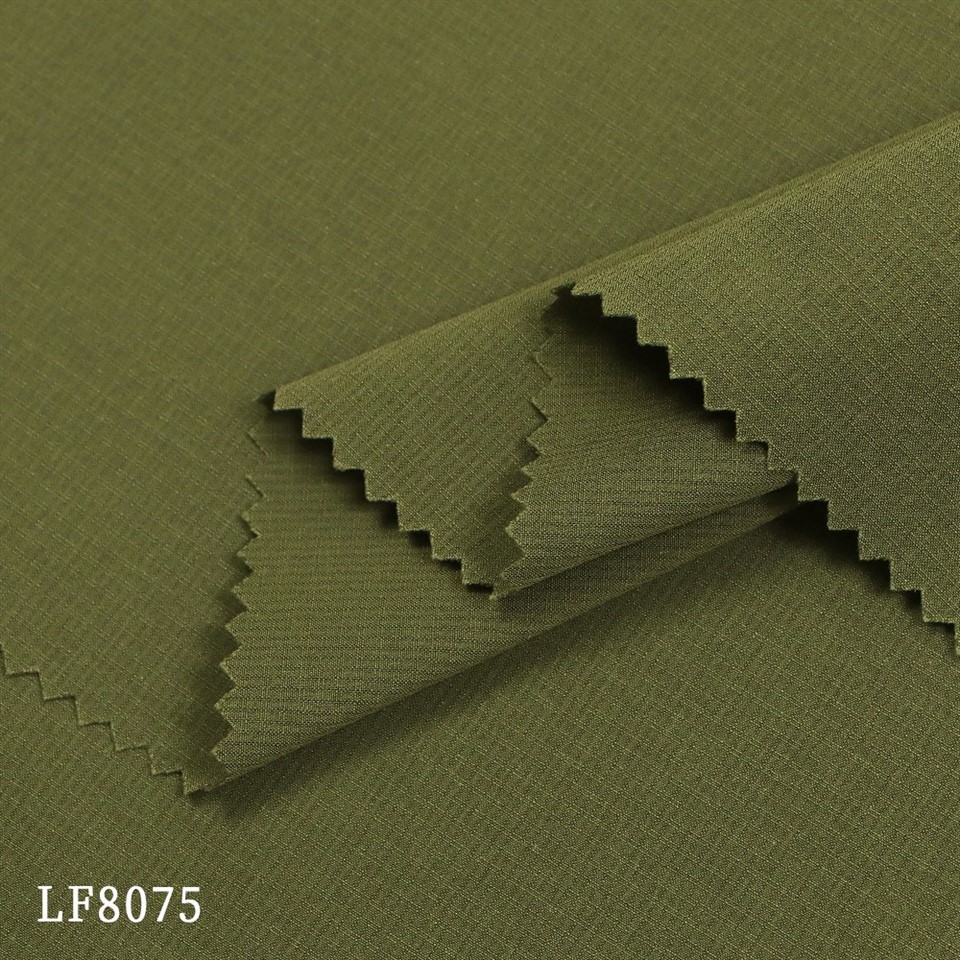
The color of the cavalry twill is another important consideration. While traditional colors like army green and khaki are still popular, modern manufacturers offer a wide range of hues to meet different design requirements. Consider the intended use of the fabric when choosing a color. For example, if you’re making uniforms for a sports team, bright and eye – catching colors may be preferred. On the other hand, neutral colors like black, gray, and brown are versatile and suitable for a variety of fashion and functional applications.
The finish of the fabric also affects its appearance and performance. A smooth finish gives the fabric a sleek and polished look, making it suitable for dressier garments. A textured finish, such as a brushed or pebbled finish, can add a touch of ruggedness and character, making it ideal for casual or outdoor wear. Some finishes can also enhance the fabric’s water – repellency or stain – resistance properties.
Weight of the Fabric
The weight of cavalry twill is measured in ounces per square yard (oz/yd²). The weight of the fabric will determine its suitability for different seasons and applications. Lightweight cavalry twill, typically ranging from 4 – 6 oz/yd², is ideal for summer clothing, such as shirts and dresses. It is breathable and comfortable, allowing for easy movement.
Medium – weight fabrics, around 7 – 9 oz/yd², are versatile and can be used for a variety of items, including jackets, pants, and skirts. They offer a good balance of warmth and durability, making them suitable for transitional seasons.
Heavy – weight cavalry twill, 10 oz/yd² and above, is often used for winter outerwear, work jackets, and upholstery. It provides excellent insulation and is able to withstand harsh weather conditions and heavy use.
Durability and Care Requirements
When investing in cavalry twill fabric, durability is a crucial factor. Consider the type of wear and tear the fabric will be subjected to. If it’s for industrial workwear, it needs to be highly resistant to abrasion, tearing, and chemical exposure. For consumer clothing, it should maintain its shape and color after multiple washes.
In addition to durability, care requirements are also important. Some fabrics may require special cleaning instructions, such as dry cleaning only. Others may be machine – washable, which is more convenient for everyday use. Check the care label on the fabric to understand the proper cleaning and maintenance procedures.
Price and Quantity
Price is an obvious consideration when choosing cavalry twill fabric. The cost of the fabric depends on several factors, including the fiber quality, weave density, color, and finish. Generally, fabrics made from higher – quality fibers and with more complex weaves or finishes will be more expensive.
It’s also important to consider the quantity you need. If you’re a small – scale designer or a home sewer, you may only need a few yards of fabric. However, if you’re a large – scale manufacturer, you’ll require larger quantities. Many suppliers offer bulk discounts, so it’s worth comparing prices from different sources when buying in large volumes.
Supplier Reputation
As a cavalry twill supplier, I know that the reputation of the supplier is just as important as the quality of the fabric itself. A reliable supplier should have a good track record of providing high – quality products, timely delivery, and excellent customer service.
Look for suppliers who offer samples of their fabrics. This allows you to test the fabric’s quality, feel, and appearance before making a large purchase. You can also read reviews and testimonials from other customers to get an idea of the supplier’s reputation.
In conclusion, choosing the right cavalry twill fabric involves a careful consideration of multiple factors, including fiber quality, weave density, color, finish, weight, durability, care requirements, price, quantity, and supplier reputation. By taking the time to evaluate these aspects, you can ensure that you select the best fabric for your specific needs.
Polyester Stretch Fabric If you’re in the market for high – quality cavalry twill fabric and have specific requirements, don’t hesitate to contact us for further discussion. We’d be delighted to provide you with more information and assist you in making the right choice.
References
- Textile Manufacturing Handbook
- The Encyclopedia of Fabrics
- Fashion Textiles: Materials and Applications
Shaoxing Huichao Textile Co., Ltd.
As one of the most professional cavalry twill manufacturers and suppliers in China, we offer a wide range of products with superior quality. We warmly welcome you to wholesale bulk cavalry twill in stock here from our factory. If you have any enquiry about cooperation, please feel free to email us.
Address: Shenyue International Build ing, Unit 1603-1605, Keqiao District, Shaoxing City, Zhejiang Province, China
E-mail: darrenzhong@huichaotextile.com
WebSite: https://www.huichaotextile.com/
