Hey there, fellow fleet managers, construction pros, and anyone who’s ever stared at a semi-trailer and thought, “Wait, what’s the actual difference between that and the dump one I keep hearing about?” If you’re in the market for heavy hauling gear, this question’s probably popped up once or twice—especially since I’m the guy selling dump semi-trailers (you know, the ones that save you so much time on job sites) and I field this exact call every single week. No stuffy jargon, just straight talk about what sets these two apart, and why picking the right one isn’t just a “meh” detail—it’s what makes or breaks your project budget and timeline. Dump Semi-trailer
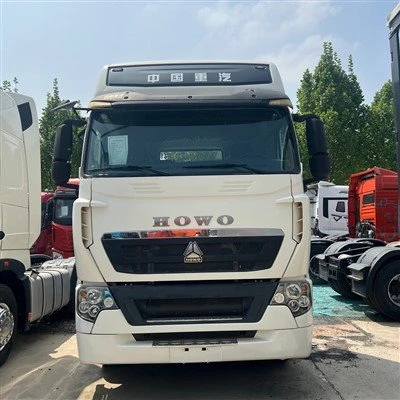
First, let’s skip the basic definition fluff. Regular semi-trailers—let’s call ’em “dry vans” for short, since that’s what most folks actually name ’em—are your workhorse for general cargo. Think pallets of lumber, electronics, retail goods, even furniture. They’re the big, boxy, enclosed ones you see rolling down the highway 90% of the time. Their whole deal is security: lock the doors, keep rain, dust, or thieves out, and carry whatever fits inside. Now, a dump semi-trailer (that’s my bread and butter, by the way) is built for the exact opposite: loose, non-sticky material that you can’t just stack and lock. Dirt, gravel, sand, asphalt millings, even scrap metal—stuff that’s heavy, messy, and needs to be unloaded fast. But wait, there’s way more to it than “one has a box, the other has a dump bed”—let’s break down the key differences that matter for anyone buying or renting.
1. The Bed: Built for their specific jobs (duh, but hear me out)
Let’s start with the biggest visual tell: the bed. A dry van’s bed is a rigid, steel or aluminum box, usually 53 feet long (standard highway length for US, most of the time), tall enough for pallets stacked 6 to 8 feet high. The floor is a smooth, reinforced wood or composite that’s easy to slide forklifts across, and the walls are bolted tight, no gaps—we’re talking water-resistant, even sometimes weather-sealed for refrigerated stuff, but at the very least, it keeps cargo dry. It sits level the entire time you’re driving; you never see a dry van tilting, because that would mess with doors, cargo balance, and highway safety.
Now the dump semi-trailer’s bed? That’s where all the magic (and the engineering) happens. It’s not a box—it’s a U-shaped or V-shaped trough, made of thick, high-tensile steel (way thicker than dry van walls, because my haulers carry 70,000+ pounds of material, versus a dry van’s 45,000 or so). The V-shape is actually a big deal: it funnels loose material to the center, so when you activate the lift, the whole bed tilts forward at a 45-degree angle (sometimes even steeper, depending on the model) and everything slides out. No shoveling, no manual labor—just hit a switch, and your gravel drops right where you want it.
Wait, let’s talk about the floor on a dump trailer, too. Dry vans have smooth floors, but dump beds have options: some have steel plates that interlock to prevent material from shifting, some have liners (like high-density polyethylene, HDPE, that’s super slippery) so wet clay or sticky asphalt doesn’t cake to the bottom. That’s a huge difference—if you tried to put wet concrete in a dry van, it’d stick, shift, and never unload right. A dump bed’s floor is built to shed that, no questions asked. Also, dump beds are usually shorter or narrower than 53-foot dry vans sometimes? Wait, no—some are 53-foot too, but most of the time, for construction, people go with 30 or 40-foot dump trailers for maneuverability on tight job sites, while dry vans almost always stick to 53 feet for maximum cargo space. That’s a practical use difference, not just a design one.
2. Weight Capacity: Why size doesn’t equal power
This is where I get calls all the time: “Your dump semi can carry as much as a dry van, right?” Nope, actually—dump trailers are built to haul heavier payloads, but not always. Wait, let’s clarify: a typical dry van’s payload limit is around 45,000 pounds, thanks to federal highway weight laws (that’s the 80,000-pound gross vehicle weight, minus the tractor’s weight, basically). That’s for general cargo, which is usually dense but not super heavy—pallets of stuff average out to that weight. Now a dump semi? Some of my models carry up to 75,000 pounds of loose material—sand, gravel, that’s way denser than retail goods, so you can load more without hitting the weight limit. But here’s the catch: if you try to put super dense cargo, like steel coils, in a dump trailer, you’d hit the weight limit fast, because its bed is narrower, so the load is more concentrated. Whereas a dry van’s wide, spread-out floor can handle dense stuff more evenly.
Another big weight note: dump trailers have extra parts, right? The hydraulic lift system, the hinges, the reinforced frame to hold the tilting bed. That adds a few thousand pounds to the trailer’s own weight. So if you’re hauling super light material, like mulch, you might only fill half the dump trailer because you hit the payload limit, whereas a dry van would fill to the top with that same mulch. It all comes down to what you’re moving, not just the trailer’s number. I always tell customers: calculate your average load weight first, then pick the trailer based on that, not just the “max” number. I’ve had guys come in thinking they need a 75k dump, only to find out they haul mulch 90% of the time, so a 50k dump is way cheaper and works just as well.
3. Unloading: The difference between 10 minutes and 2 hours
Let’s talk about the stuff that happens after you get to the job site, because that’s where a lot of people mess up. A dry van unloads (usually) with a forklift, or sometimes a pallet jack, or even manually if it’s small. If you’re at a construction site with tight space, or no forklift? That’s a problem. You’re dragging pallets out, waiting for a machine, it’s a whole process.
A dump semi? Unloading is as simple as pulling up to the pile, setting the emergency brake, making sure no one’s standing near the rear (those tons of gravel slide fast), flipping a switch inside the tractor cab, and the bed tilts up. Most unload in 2 to 5 minutes, top. No equipment needed, no extra labor, you just dump and go. But wait—there’s a downside here: if you’re hauling something that can’t be dumped, like fragile goods, a dump semi is useless. You can’t tilt a fragile load without breaking it. That’s the whole point of the dry van—security and controlled access. A dump’s only access is the open top (for loading) and the rear (for dumping), so you can’t get in the middle of the load easily.
Another unloading thing: dump trailers have rear doors that swing, or sometimes a drop-axle rear, so when you tilt, the back opens all the way. Some even have side doors if you need to unload along the side of the job site, which is a huge plus for road construction, where you don’t want to block the whole road. Dry vans have rear doors too, but they’re just for forklift access, not for dumping. That’s a key functional difference.
4. Use Cases: When to pick which one (spoiler: it’s almost never both for the same job)
Let’s get specific, because this is what I live for as a dump trailer supplier. If you’re doing:
- Residential landscaping: mulch, topsoil, small gravel. Dump semi, 100%—you can drop it right in the customer’s yard, no mess, no extra work. Dry van would mean you’re hauling bags of mulch, which is way more expensive for the customer.
- Retail shipping, furniture, electronics: dry van, obviously. You need it enclosed, secure, no access for the public, and you need to unload pallets carefully.
- Road construction: asphalt millings, gravel for base, sand. Dump semi—you can unload along the road, fast, no need for a loader.
- Manufacturing parts, raw materials that are palletized, sensitive: dry van. You can lock it up during transport, keep it clean, and unload with forklifts at the factory.
- Scrap metal: dump semi, especially the ones with reinforced floors—you can dump big chunks without damaging the bed, way faster than loading into a dry van.
Wait, but what about the crossover? I do see some guys who have both, but that’s only if they do both landscaping and retail hauling, or something like that. For most small to mid-sized fleets, you pick one based on your main job. I had a construction customer last year who tried to use a dry van for gravel, and it took him twice as long to unload, he had to hire a loader every time, and ended up burning $15k extra in labor in 6 months. That’s exactly why this distinction matters—it’s not just a “looks different” thing, it’s your bottom line.
5. Maintenance: The hidden cost most people forget
Okay, let’s talk upkeep, because this is a big one that new trailer owners miss. A dry van’s maintenance is pretty straightforward: check the doors, the floor, the tires, the brakes. No fancy parts, just regular truck maintenance. A dump semi? You’ve got that hydraulic lift system—cylinders, hoses, pumps, hinges, all of which take a beating. If you’re hauling wet, corrosive material (like acidic dirt, or salt in the winter), that steel bed can rust, so you need to do regular inspections, maybe apply a rust inhibitor. The HDPE liners I mentioned earlier? They wear out over time, so you have to replace them every few years, which is a small cost but adds up.
I always tell new dump trailer buyers: factor in maintenance when you’re pricing. A dump isn’t more expensive to own long-term, but it does require a little more care than a dry van. And if you don’t take care of the hydraulics, you’ll end up stuck on the job site with a broken dump, and that’s way worse than a stuck dry van (which you can usually unload manually, even if it takes longer).
Wait, let’s clear up a common myth: some people think dump trailers are less safe than dry vans because they tilt. Modern dump systems have stability controls—they won’t let you tilt too far if the load is uneven, they have safety latches, and the frame is built to handle the tilt. I’ve sold hundreds of dump trailers, and the most common safety issue I see is drivers who overload the back of the bed, making it tip too far and hit power lines. That’s user error, not the trailer’s fault. A dry van is safer because it stays level, but it’s not designed for rough job site conditions—you can’t drive a dry van over a dirt pile and unload, like you can with a dump.
Now, the big question: which one do I need?
This is the part I help every customer figure out, no sales pitch, just honest advice. If 70%+ of your hauling is loose, non-palletized material (dirt, gravel, scrap, mulch), get a dump semi. You’ll save time, labor, and money in the long run. If most of your stuff is palletized, sensitive, or needs to be secured, go with a regular dry van.
Wait, but what if you’re not sure? Let’s say you do a mix: some palletized goods, some loose gravel. There are transfer dump trailers that are a middle ground, but they’re more expensive, and less efficient than a dedicated dump or dry van. I usually steer clear of those for small fleets, because they’re a jack of all trades, master of none.
Wrapping it up, no B.S.
At the end of the day, the difference between a dump semi-trailer and a regular semi-trailer isn’t just aesthetics—it’s built for two totally different worlds. One’s locked, boxy, level, for moving stuff that fits on pallets and needs to stay protected. The other’s a tilting trough, built to dump loose material fast, for construction, landscaping, and anything that doesn’t fit in a box. I’ve seen guys waste thousands by buying the wrong one, so that’s why I make it a point to explain every detail when a customer reaches out.

If you’re in the market for a dump semi-trailer, or just have questions about which trailer fits your needs, don’t overcomplicate it. Shoot me a note, I’ll walk you through it, no pressure, no sales gimmicks. I’ve been in this business for years, and my job isn’t just to sell you a trailer—it’s to make sure it works for your job. Whether you’re a one-man landscaping crew or a fleet manager for a big construction company, picking the right trailer will save you time, money, and headaches.
Auman Dump Truck References:
- Federal Motor Carrier Safety Administration. (2023). Maximum Weight Requirements for Commercial Motor Vehicles.
- Heavy Equipment Manufacturers Association. (2022). Dump Semi-Trailer Design and Performance Standards.
- National Motor Freight Traffic Association. (2021. National Motor Freight Classification Guidelines for Cargo Securement.
Jining Yaochi Automobile Trading Co., Ltd.
With abundant experience, we are one of the most professional dump semi-trailer manufacturers in China. Please feel free to buy cheap dump semi-trailer made in China here from our factory. Quality products and reasonable price are available.
Address: Liangshan Industrial Park, Jining City, Shandong Province, China
E-mail: Yzhiying23@gmail.com
WebSite: https://www.yaochitruck.com/
