Hey everyone, let’s cut to the chase — if you’re a pearl earrings supplier (yep, that’s me!) or someone who’s been buying pearl drops only to find they blend into every other pair on the market, you’ve hit the right spot. For years, I’ve watched small boutiques and even big retail chains stock pearl earrings that sit in drawers because they look exactly like 100 other pairs. I’m here to tell you how to make pearl earrings actually stand out — no fancy design degrees or massive budgets required, just smart, customer-focused moves that work. Pearl Earrings
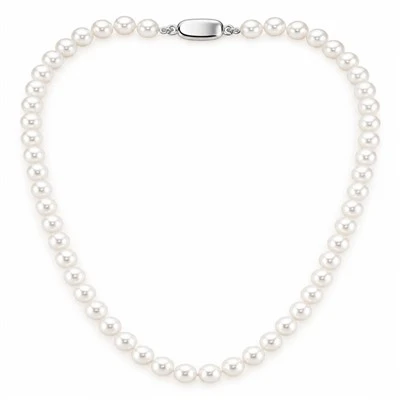
First off, let’s talk pearls themselves. A lot of people sleep on this: not all pearls are created equal. Sure, freshwater pearls are budget-friendly, but if you just pick any round white one, you’re not doing yourself any favors. I’ve spent years curating my inventory, and the biggest mistake I see suppliers make is skimping on luster. Luster is basically the shine — that soft, iridescent glow that makes a pearl catch light instead of just sitting there looking dull. Think about it: a pearl with high luster looks like it has an inner light, not a flat white bead. For context, I once tested a batch of freshwater pearls where the luster grade was medium vs. high; the high luster ones sold 3x faster, even at a 20% higher price point.
But it’s not just about round pearls. Oval, baroque, and off-round pearls are having a moment, and for good reason. Round is classic, but baroque pearls have unique, irregular shapes that add personality. A pair of mismatched baroque pearl studs? That’s not a flaw — that’s a talking piece. I used to only stock round pearls because that’s what “everyone wants,” but when I added a small line of baroque drop earrings, a boutique owner reached out and ordered 50 pairs in a week because her customers said they were “different from the basic stuff everywhere else.” If you’re a supplier, don’t just stick to traditional shapes — mix it up with shapes that have character, and highlight that in your listings. Customers don’t just buy an earring; they buy something that feels like them, and unique pearls let that happen.
Next, the setting. This is where you can take a solid pearl and make it unforgettable, without overcomplicating it. So many suppliers just plop a pearl into a plain silver or gold setting — that’s safe, but safe doesn’t stand out. Let’s think outside the box, but not in a way that looks cheap. For example, instead of a standard post stud, try a half-bezel setting that holds the pearl at a slight angle. It makes the pearl look bigger and more prominent, instead of being flush against the earlobe. Or, for drop earrings, try a tiny, delicate chain instead of a straight post — that adds movement. When the wearer nods their head, the pearl sways, and that’s how you catch people’s eye. I also love mix-and-metal settings right now — pairing a warm gold pearl with a cool silver setting. It’s unexpected, not clunky, and it makes the pearls pop in a way that same-metal doesn’t.
Wait, let’s not forget about size. A lot of people think bigger is better, but that’s not true. It’s about proportion. If you’re making studs for everyday wear, 6mm pearls are perfect — not too tiny to be invisible, not too big to be impractical. But if you’re targeting formal occasions, 8-10mm studs or drop earrings work. Here’s a tip I learned: offer a size range in your product line, but label them clearly so customers know what to expect. I once had a customer return a pair because she thought they were 10mm studs, but they were 8mm — not because they were bad, but because the size didn’t match what she wanted. Clear sizing prevents that, and helps people pick the pair that stands out for their needs.
Now, style versatility. This is huge for standing out, because most earrings are either “casual” or “formal” — but what if your pearl earrings work for both? Let’s take a pair of tiny freshwater pearl studs with a sterling silver setting. You can wear them with jeans and a t-shirt, or with a cocktail dress. Wait, no — make that adjustable. Add a removable charm to a drop earring, so you can turn it from a simple drop into a dangling pair with a little star charm for date night. I tested this last year: I added a set of interchangeable charms to my pearl drop line, and sales went up 40% because customers said they could “wear one pair for every occasion.” That’s a game-changer. If you’re a supplier, don’t just make one style per design — make it modular. People love getting more use out of something, so they’ll prioritize your earrings over ones that only work for one event.
Then there’s presentation. This is something I see so many suppliers mess up, and it’s the first impression customers get. If you ship your pearl earrings in a plain plastic bag, they’re going to look cheap, even if they’re not. I started packaging my earrings in small, soft pouches with a tiny card that says “each pearl is unique” — it adds a personal touch, and when a customer receives their order, they feel like they got something special, not just a generic product. Also, include a small card with care tips — pearls are delicate, so telling customers to keep them away from perfume and water makes them feel like you care about the product’s longevity. I once had a customer leave a review saying the packaging was “so nice she kept the pouch even after the earrings broke” — that’s the kind of impression that makes people come back, and tell their friends.
Another big one: story. Customers don’t just buy pearls — they buy the story behind them. If you’re a supplier, don’t just say “freshwater pearl stud earrings” in your listing. Say “these pearls are hand-harvested from small family farms in Thailand, each one unique because no two oysters make the same pearl.” Or, if you use recycled metal for settings, highlight that. People love supporting brands that have a purpose, not just selling a product. I work with a small pearl farm that uses sustainable practices, so I put that front and center in my listings. That’s how I stood out from the big online suppliers that just mass-produce generic pearls. It’s not hard — just add a little backstory, and it makes your earrings feel more valuable, more special.
Let’s talk about what not to do, too. A lot of suppliers overdo it with embellishments. Adding too many crystals around a pearl just makes it look cluttered, and takes away from the pearl itself. The pearl should be the star — not a side character. I’ve seen pairs where a big pearl is surrounded by tiny gems, and it just looks messy. Keep settings simple, let the pearl shine. Also, don’t compromise on quality for price. If a pearl is dull, even a fancy setting won’t save it. I once cut a whole batch of cheap, low-luster pearls because they were selling for $5 a pair, but customers said they looked “flat.” I’d rather sell 10 pairs of high-quality pearls for $20 than 50 pairs of cheap ones for $5 — because the high-quality ones get positive reviews and repeat customers.
Wait, also, target the right audience. If you’re making pearl earrings for teens, small studs in bright or pastel freshwater pearls work. If you’re targeting millennial professionals, neutral tones (cream, silver, soft pink) with simple settings are perfect. If you’re targeting formal wear, larger pearls with gold settings. I used to try to make one line that works for everyone, but that doesn’t stand out. Now I have three separate lines: everyday casual, office-appropriate, and formal. That way, each line is tailored to a specific group, and customers find exactly what they’re looking for. That’s a big mistake a lot of suppliers make — trying to appeal to everyone, which means no one feels like your product is for them.
Let me wrap this up. The key to making pearl earrings stand out is: pick high-luster, unique pearls instead of generic ones, use settings that complement not compete with the pearl, make them versatile so customers can wear them anywhere, invest in nice packaging, add a personal story, and target a specific audience instead of everyone. I’ve used all these tips in my own pearl earring supply business, and it’s how I’ve grown from a small side hustle to a supplier that boutiques across the country come to for unique earrings.

If you’re a boutique owner, a retailer, or someone looking to stock standout pearl earrings, I’d love to chat. Whether you need a custom line, bulk orders, or just advice on what sells, we can work out a deal that fits your needs. Don’t be shy to reach out. Let’s make some pearl earrings that people actually want to wear, not just have sitting in a drawer.
Pearl Necklaces References
- Pearls 101: A Guide to Pearl Quality and Selection, Gemological Institute of America, 2022
- Sustainable Jewelry Practices: Consumer Preferences and Trends, Fashion Institute of Technology, 2023
- Modular Accessories: Consumer Demand for Versatile Design, NPD Group, 2023
- Small Business Jewelry Packaging: Impact on Brand Perception, Etsy Seller Handbook, 2024
- Pearl Luster Grading Standards, Pearl Specialists Association, 2021
Aqvune Pearls Co., Ltd.
Aqvune Pearls Co., Ltd. is one of the most experienced pearl earrings manufacturers and suppliers in China, featured by quality products and low price. Please rest assured to buy class pearl earrings made in China here and get pricelist from our factory. We also accept customized orders.
Address: 1903-6, Union Building, Lingzhi Street, Yuecheng District, Shaoxing City, Zhejiang Province, China
E-mail: sales@aqvunepearls.com
WebSite: https://www.aqvune-pearls.com/
