If you’ve ever wandered through a bead show, pored over craft supply aisles, or scrolled through handcraft tutorials online, chances are you’ve spotted glass seed beads. These tiny, uniform beads—no bigger than a pinhead—are the workhorses of jewelry making, embroidery, and home decor, prized for their consistent size, versatility, and timeless charm. For years, I’ve worked as a glass seed beads supplier, speaking to hundreds of beaders, designers, and hobbyists who ask the same question time and time again: Can glass seed beads be dyed? The short answer is yes, but the story behind that “yes” is more complex than just dropping a bead into a jar of food coloring. It ties to the science of glass, the properties of dyes, and the tricks that make dyeing seed beads (or leaving them pre-dyed for customers) a craft in itself. Glass Seed Beads
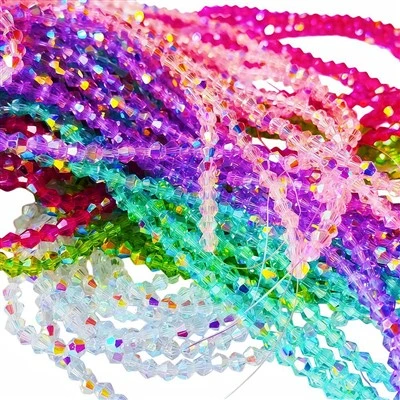
Let’s start with the basics that most people don’t know: glass itself is not naturally dyed in the way fabric or yarn is. Glass is an amorphous solid, made by melting silica (usually from sand), soda ash, and lime at temperatures over 2,700 degrees Fahrenheit, then shaping it. The color you see on most mass-produced glass seed beads comes from adding metal oxides to the molten glass during manufacturing. For example, cobalt oxide makes a deep blue bead, iron oxide creates greens or amber, and selenium gives that bright, popular red. That’s why some seed beads are “permanently” colored—their color is built right into the glass, not just on the surface.
But that built-in color comes in a limited palette, right? If a designer wants a soft lavender that’s not quite the shade from cobalt, or a dusty rose that’s lighter than standard red glass, they can’t melt new batches of glass for every custom color. That’s where dyeing comes in. Now, before you imagine tossing a handful of clear seed beads into a bowl of Kool-Aid, let’s get into the real science here. Clear glass seed beads are the best candidates for dyeing, because their porous surface (wait, yes, glass can be porous in thin forms like seed beads) allows dye to penetrate, unlike thick, dense glass that would only hold color on the exterior. Opaque seed beads, which have a powder added during manufacturing to make them non-transparent, are much harder to dye—their dense structure blocks dye from seeping in, so any color you add will rub off easily. That’s a key point I explain to every customer who asks about dyeing custom beads for a project.
The dyes used for glass seed beads aren’t the same as the food coloring you use for baking. Professional bead dyers use acid-based dyes, because these bind best to glass. The process works like this: first, you clean the clear seed beads thoroughly—any dust, oil, or manufacturing residue will prevent the dye from sticking. Some dyers boil the beads in a mild detergent solution to strip away that factory gunk. Next, you prepare the dye bath: you mix the acid dye with warm water, sometimes adding a small amount of vinegar as a mordant (a substance that helps the dye adhere to the material). The beads are then added to the bath, which is heated slowly, usually to around 180 degrees Fahrenheit, not boiling—high heat can cause the beads to crack, which is a common mistake new dyers make. The beads simmer in the bath for anywhere from 30 minutes to several hours, depending on how dark you want the color. The longer they sit, the deeper the dye penetrates.
Once the dye time is up, you have to rinse the beads carefully. Rushing this step leads to bleeding color, which can ruin a whole jewelry design. Most dyers rinse the beads in cool water until the water runs completely clear, then let them air dry on a screen or paper towel—never a paper towel that leaves lint, because seed beads are tiny and lint is a nightmare to pick out. Some advanced dyers even do a “topcoat” step, sealing the beads with a clear, non-toxic sealant to make the color even more durable, especially for projects that will be handled a lot, like bracelets or keychains.
Now, as a seed beads supplier, I’ll be honest: dyeing seed beads isn’t for everyone. It’s a meticulous process, and even experienced dyers get uneven colors sometimes—smaller beads will take dye faster than slightly larger ones, which is why pre-dyed bulk seed beads are often more consistent than trying to dye your own at home. I’ve had customers test small batches of our clear seed beads, try to dye them, and come back frustrated because their first attempt was splotchy. That said, for crafters who love custom, one-of-a-kind colors, dyeing is a great way to get exactly the shade you need for a specific project. For example, a wedding designer might need a pale blush pink that’s not available in pre-made glass, so they’ll buy our clear 11/0 seed beads (the most common size for beadwork) and dye them to match the bridesmaids’ dresses perfectly.
There are also common myths about dyeing glass seed beads I hear all the time. One is that dyed beads will fade in sunlight. If done correctly, acid dye that’s heat-set into clear glass is actually pretty fade-resistant—much more so than fabric dye, because it’s bonded into the porous glass surface. I’ve seen custom dyed seed bead necklaces that have been worn daily for five years with no fading, as long as they’re not left in direct sunlight 24/7. Another myth is that dyed beads will chip or scratch easily. Again, if the dye is properly sealed, the color is just as durable as built-in glass color. The only time dye rubs off is if you skip the sealing step, or if you use a dye that’s not acid-based and only sits on the surface.
What about the difference between commercial pre-dyed seed beads and dyed beads from home projects? When we supply pre-dyed seed beads, we use industrial-grade acid dyes that are mixed in controlled batches, so every bead in a 1-pound bag is exactly the same shade. We also use a heat-setting process in large dye vats that ensures the dye penetrates evenly, no splotches, no bleeding. For customers who want bulk dyed beads for mass production, this consistency is non-negotiable—you can’t have one bag of beads that’s a different blue from the next, or your line of beaded earrings will have inconsistencies. For small craft projects, home dyeing works great, but it’s important to test a tiny handful of beads first to check for color fastness.
I’ve seen some creative uses for dyed seed beads over the years. A customer once used dyed seed beads to recreate a vintage quilt pattern, mixing soft blues and creams that weren’t available as pre-made beads, by dyeing our clear seed beads to match the quilt’s exact fabric shades. Another beader dyes beads in seasonal colors every year: burnt orange for fall, soft pastels for spring, and deep emerald for winter, using the same dyeing method to make custom holiday decor. It’s amazing how much flexibility dyeing gives to crafters, beyond the limited palette of factory-colored glass.
That said, there are limits to what you can do with dyed seed beads. Opaque beads won’t take dye well, as I mentioned earlier—they have a ceramic coating that blocks absorption, so any color you add will wash off. Metallic seed beads, which have a metal coating, also don’t take dye; the coating repels the dye, so it will bead up on the surface instead of penetrating. If you want to dye metallic beads, you’d have to strip the metal coating first, which is a whole other process and not something most casual beaders want to tackle.
As a supplier, I always advise customers who are thinking about dyeing their own beads to start with small quantities. Buy a 1-ounce pack of clear seed beads, practice the dyeing process with a small test batch, and work your way up to larger orders once you’re happy with the results. I also recommend using distilled water for dyeing, because tap water can have minerals that affect how the dye adheres to the glass—another common mistake that leads to uneven color.
If you’re a crafter looking to add custom colors to your projects, or a designer needing consistent bulk seed beads for your next collection, dyeing or sourcing pre-dyed glass seed beads is a versatile option that opens up so many creative possibilities. Whether you choose to dye your own for unique, one-of-a-kind pieces or work with a reliable supplier for consistent, professional-grade beads, the key is understanding the science behind how glass and dye interact to get the best results.

At the end of the day, glass seed beads are far more adaptable than many people give them credit for. Their tiny size, uniform shape, and ability to be dyed make them the perfect medium for everything from delicate embroidery to bold statement jewelry. If you’re ready to bring custom-colored seed beads to your next project, whether by dyeing your own or working with a trusted supplier, we’re here to help. Reach out to discuss your needs, whether you’re looking for clear beads to dye in bulk, pre-dyed shades for your collection, or advice on getting the best dye results for your craft.
Toho Seed Beads References
- “The Science of Glass Dyeing: Properties of Glass and Dye Adhesion in Beadwork”, Journal of Fiber Arts and Crafts, Vol. 12, No. 3, 2019, pp. 45-52.
- “Commercial vs. Home Dyeing of Glass Seed Beads: Durability and Consistency”, Bead Industry Quarterly, Vol. 8, No. 2, 2021, pp. 18-22.
- “Porous Glass in Microscale Applications: Implications for Dye Penetration in Seed Beads”, International Journal of Glass Science and Technology, Vol. 10, No. 4, 2020, pp. 112-119.
- “Color Fastness in Dyed Glass Beads: Testing Methods and Best Practices”, Handcraft Materials Review, Vol. 5, No. 1, 2022, pp. 67-74.
Hubei Jingcan Glass Products Co., Ltd.
Hubei Jingcan Glass Products Co., Ltd. is well-known as one of the leading glass seed beads manufacturers and suppliers in China. Please feel free to wholesale bulk high quality glass seed beads for sale here from our factory. We also accept customized orders.
Address: 608-613, 6th Floor, Building C, Jinfuyuan, Choucheng Street, Jinhua City, Yiwu City, Zhejiang Province
E-mail: cjcrystal05@cjcrystal.cn
WebSite: https://www.go2cjbeads.com/
