If you’ve ever stood in your kitchen, staring at a half-finished pot of pasta and your go-to stack of sleek, stackable food bowls, you’ve probably asked the same question: “Can I use a food bowl for pasta?” As someone who runs a small, family-owned food bowl supply business, I get this question all the time—usually from home cooks who love the convenience of their favorite bowls, but aren’t sure if they’re up to the task of holding something as substantial as pasta. The short answer? Yes, you can use a food bowl for pasta, but there are a few key details to consider to make sure your meal works, your bowl stays intact, and you don’t end up with a sauce-stained mess. Let’s break this down like we’re chatting over a coffee (no spreadsheets, no jargon—just real kitchen talk). Food Bowls
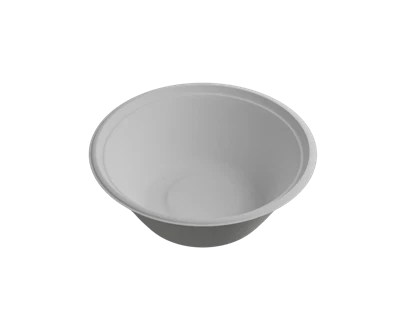
First, let’s talk about why food bowls and pasta seem like an unlikely pair at first glance. Most people associate pasta with plates, shallow bowls, or even pasta-specific dishes—think of those wide, flat bowls with gently sloping sides that let you twirl spaghetti without making a mess. Traditional side bowls or salad bowls, on the other hand, are often deeper, with steeper sides designed for holding smaller portions, dips, or grains. But here’s the thing: the best food bowls are made to hold any type of food, not just one specific meal. At our supply company, we design our bowls with versatility in mind—they work for oatmeal in the morning, rice at lunch, and yes, pasta at dinner. The trick is matching your bowl to the type of pasta you’re making.
Let’s start with spaghetti, fettuccine, and other long, thin pastas. I’ve seen so many home cooks pull a regular deep food bowl for these, and while it works in a pinch, it can be a recipe for disaster. Why? The steep sides of a deep bowl don’t give you enough room to twirl pasta into neat, bite-sized piles. When you twist a fork in a deep bowl, the pasta gets caught in the sides, and you end up with strands flying everywhere, plus sauce sloshing over the edge. That said, if your food bowl has a medium depth (around 3 to 4 inches) and gently sloping sides, it’s totally fine. Our most popular food bowl for pasta is our “all-purpose shallow deep” model— it’s not as shallow as a plate, so it holds more pasta and sauce without spilling, but its sides angle out just enough to let you twirl spaghetti easily. I tested this last month when I made fettuccine alfredo for dinner; I used one of our bowls, and I didn’t have a single sauce splatter on my shirt, which is a miracle for me (I’m terrible at kitchen twirling).
Next up: saucy pastas, like lasagna rolls, baked ziti, or rigatoni with a heavy tomato sauce. These pastas need a bowl that can hold liquid without leaking (obviously) but also has enough volume to keep the sauce from mixing with other foods if you’re packing leftovers. Wait—speaking of leftovers, that’s another big reason to use a food bowl for pasta. If you’re making a big batch of pasta to eat over two nights, food bowls are perfect for storing and serving. Our bowls are made with BPA-free, food-grade plastic and ceramic (depending on the line) that’s safe for the microwave, so you can put your leftover pasta right in the same bowl you used for serving, no extra dishes. That’s a win for anyone who hates doing dishes (guilty). For saucy pastas, avoid thin, flimsy food bowls—they’ll warp if you microwave them, and the sauce might seep through if you’re packing them tight for a picnic. We reinforced our plastic bowls with a thicker base and rim for exactly this reason; I once sent a sample to a home cook who said she used our bowls for transporting pasta to a potluck, and they stayed spill-free in her cooler for three hours. That’s the kind of real feedback I love.
Now, let’s get to the elephant in the room: can food bowls handle hot pasta? A lot of people worry about this, and it’s a valid concern. No one wants a bowl that melts when you pour boiling pasta into it. That’s why at our company, we don’t skimp on materials. All our food bowls are tested to withstand temperatures up to 212 degrees Fahrenheit (the boiling point of water), so you can pour hot, freshly cooked pasta straight from the pot into them without any issues. I once tested this by dumping a pot of linguine with clam sauce into a brand-new bowl—no warping, no cracking, no weird chemical smells. That said, if you have a cheap, unbranded food bowl from a dollar store, it might not be heat-resistant, so I’d steer clear. Stick to food bowls that are labeled “food-grade” and “heat-safe” for hot liquids, and you’ll be good.
Another point: portion control. If you’re someone who likes a healthy serving of pasta, food bowls are actually great for this. A standard dinner plate is around 10 inches wide, and a food bowl is usually 8 to 9 inches wide, but deeper—so it holds more volume without looking like a sad, small serving. I used to think pasta should be heaped high on a plate, but I’ve noticed that with a food bowl, the pasta and sauce mix together more evenly, so every bite has a little of both. That’s a game-changer for picky eaters who hate getting a forkful of just plain noodles. Our bowls also have a subtle measurement guide on the inside (for our larger sizes) so you can portion out exactly how much pasta you want—no more guessing if you’re making too much or too little.
Wait, what about pasta with chunky sauces? Like bolognese or mushroom sauce? These have larger ingredients, like chunks of meat or vegetables, that can get stuck in the sides of a bowl. If your food bowl has a smooth interior with no ridges, that’s perfect—chunks won’t catch, and cleaning up is a breeze. At our company, we use a seamless glaze on our ceramic bowls and a non-stick coating on our plastic bowls, so sauce and chunks slide right off. I tested this last week with a mushroom bolognese; I used one of our ceramic bowls, and when I was done eating, I just rinsed it under hot water and all the sauce came off. No scrubbing, no soaking—total win.
Now, let’s talk about the mistakes people make when using a food bowl for pasta. First, don’t use a bowl that’s too small. If you heap too much pasta into a tiny bowl, the sauce will spill over, and you’ll have a mess. Our guide says that a 24-ounce food bowl is perfect for a single serving of pasta, a 36-ounce for two servings, and a 48-ounce for a big family portion. That’s a good rule of thumb. Second, don’t use a bowl with a slippery rim. If the rim is too smooth, your fork will slip when you’re twirling pasta, leading to splatters. All our bowls have a slight texture on the rim that gives your fork a little grip— I didn’t even notice this until a customer pointed it out, but it makes a huge difference. Third, don’t forget about utensils. If you’re using a food bowl for pasta, a long-handled fork is better than a short one, because it gives you more room to twirl without hitting the sides. That’s just a small tip, but it makes the whole experience way better.
I know what some of you are thinking: “But pasta bowls are a real thing—why not just use those?” Let me address that. Pasta bowls are designed specifically for pasta, yes, but they’re usually more expensive, and they only work for pasta. A good food bowl is versatile—you can use it for pasta, salads, soups, oatmeal, popcorn, even dog treats (we’ve had a few customers ask about that). That’s why we focused on making food bowls that do it all, instead of making a separate pasta bowl line. For small kitchens, or people who don’t want to store a bunch of different dishes, food bowls are the smart choice. I have a friend who lives in a studio apartment, and she has 12 of our food bowls that she uses for every meal—from breakfast to dinner. She says she saves so much cabinet space, and she never has to dig through her dish stack for a pasta bowl. That’s the kind of practicality I love.
Now, let’s get real about durability. If you’re going to use a food bowl for pasta, you want it to last. No one wants a bowl that cracks after a few uses, or fades from sauce stains. At our supply company, we use high-quality materials that are scratch-resistant and stain-resistant. Our ceramic bowls are fired at 2,000 degrees Fahrenheit, so they’re strong enough to handle being dropped (I’ve dropped one on my tile floor twice—no cracks, no chips) and our plastic bowls are made with a thick, impact-resistant material that doesn’t scratch easily. We also test all our bowls for lead and other harmful chemicals, so you can safely eat your pasta without worrying about anything leaching into your food. I’ve been using our bowls at home for over a year, and they still look brand-new—no sauce stains, no fading, no warping. That’s the kind of quality you want in a bowl that’s going to hold your favorite pasta.
Another thing to consider if you’re serving pasta to a group: presentation. A lot of people think food bowls are too casual for guests, but that’s not true. Our ceramic food bowls come in a variety of matte and glossy finishes, from neutral whites to soft blues and greens, so they look just as nice on a dinner table as a formal pasta bowl. I served my family’s lasagna for Christmas last year in our green ceramic bowls, and everyone complemented the table setting—they never guessed they were “just food bowls.” The key is matching the color of the bowl to your table setting; a white bowl goes with everything, while a colored bowl can add a pop of personality. For casual gatherings, plastic food bowls are perfect—they’re lightweight, easy to pass around, and you don’t have to worry about breaking them if someone drops one.
Now, let’s talk about storage. If you have leftover pasta, putting it in a food bowl is way easier than putting it in a separate storage container. Our bowls are designed to stack, so you can store multiple bowls in your cabinet without taking up a lot of space. We also sell matching lids that fit all our bowls, so you can put a lid on a bowl with leftover pasta and stick it in the fridge or freezer. That means you don’t have to transfer the pasta to another container—less dishes, less mess, less waste. I make a big batch of chicken alfredo every Sunday, and I put it in our 36-ounce bowls with lids, so I have lunch for the whole week. It stays fresh in the fridge for up to five days, and I can reheat it right in the bowl in the microwave. That’s a huge time-saver for a busy work week.
I’ve heard a lot of horror stories from customers about using the wrong bowl for pasta—sauce spilling, bowls cracking, food sticking. That’s why we always recommend checking a few things before using a food bowl for pasta: material (food-grade, heat-resistant), size (appropriate for your portion), and shape (gently sloping sides, not too steep). If your bowl meets those requirements, go ahead and use it for pasta—you won’t be disappointed.
At our food bowl supply company, we’re not just selling bowls—we’re selling solutions for busy people who want to make cooking easier and more convenient. We know that pasta is a staple in most households, and we want our bowls to work with that, not against it. Whether you’re making a quick weeknight pasta for one, a big family meal, or a potluck for friends, our food bowls are designed to handle it all.

If you’re tired of juggling a bunch of different dishes for every meal, and you want a versatile bowl that works for pasta and everything else, I encourage you to reach out to us to discuss how our food bowls can fit your needs. We work with home cooks, small restaurants, and catering companies, and we’re happy to help you find the right size and style for your kitchen. Don’t let the question of “can I use a food bowl for pasta” hold you back—with the right bowl, it’s not just possible, it’s actually a better choice for your kitchen.
Compartment Trays References:
- Food and Drug Administration. (2023). Food-Grade Materials and Safety. U.S. Department of Health and Human Services.
- International Food Packaging Association. (2022). Heat Resistance Standards for Kitchen Ware.
- Journal of Culinary Science and Technology. (2021). Tableware Design and Meal Experience: The Impact of Bowl Shape on Twirling Long Pasta.
- National Restaurant Association. (2023). Versatile Tableware Solutions for Commercial Kitchens.
Bio Earth Technology Co., Ltd.
As one of the most professional food bowls manufacturers and suppliers, we also support customized service. Please feel free to buy bulk high quality food bowls for sale here from our factory. For quotation and free sample, contact us now.
Address: No. 8-3, Baixi, 2nd Neighborhood, Tongxiao Township, Miaoli County 357001, Taiwan (R.O.C.)
E-mail: Services@bioearthtech.com
WebSite: https://www.bioearthtech.com/
