If you’ve ever stood beside a large farm tractor and watched a driver turn the steering wheel as easily as you’d adjust a car’s, you might’ve wondered how that kind of power translates. Before I started selling tractors for a living, I assumed it was just the same as the power steering in my pickup truck—simple, reliable, no big deal. Then a farmer out in central Iowa brought a 220-horsepower model into my shop last spring, his face tight with frustration because the steering had gone out mid-planting, and I got to pull the steering column apart for the first time. That day, I stopped seeing power steering as a given and started seeing it as a delicate, critical system that keeps tractors moving through 12-hour days, rough fields, and tight turns without breaking a sweat. Tractor

Most tractors these days run on one of two power steering systems, and which one they use depends on their size and what they’re built to do. Smaller utility tractors, the kind hobby farmers use for mowing and light tilling, often use a hydraulic system, while the big high-horsepower models used for corn and wheat production rely increasingly on electronic power steering (EPS) or, on some heavy-duty rigs, a hybrid of both. Let’s start with the basics of how the most common hydraulic system works, because that’s where the core logic started, long before electronics got involved.
Every tractor’s power steering starts with the same core parts, no matter the type: a steering wheel, a column that connects to a gear, and some kind of assist mechanism that takes the physical effort out of turning. For hydraulic systems, that assist comes from pressurized hydraulic fluid. A small pump, usually run off the tractor’s engine crankshaft or a separate hydraulic pulley, pushes this fluid through lines to a steering gear—most often a recirculating ball gear or a rack-and-pinion gear, though tractors are big enough that rack-and-pinion is less common than it is in cars. When you turn the steering wheel, you turn a valve inside the steering gear, and that valve opens one side of a hydraulic cylinder. Pressurized fluid flows into that side, pushing the cylinder’s piston, which in turn moves the tractor’s front wheels to turn.
The key detail most new owners don’t realize is that this system is proportional, not on-off. Turn the wheel a little, and the valve only opens a tiny bit, so just a small amount of pressurized fluid gets to the cylinder, providing just enough assist to move the wheels. Turn the wheel sharply for a tight turn at the end of a row, and the valve opens all the way, sending maximum fluid pressure to swing the wheels quickly, even when the tractor is pulling a heavy planter or plow. This proportional response is what makes it so the driver doesn’t have to yank the wheel to make the turn—even with 1,000 pounds of pulling force on the front axle, which is common on tractors working in rough fields.
A lot of my regular customers tell me they had no idea their tractor’s power steering pump runs all the time, not just when they turn the wheel. That’s by design. Hydraulic systems work best when the pressure is consistent, so the pump doesn’t shut off when you’re driving straight. On older tractors, this would mean a constant whine from the pump, but modern systems have pressure valves that reroute extra fluid back to the reservoir when you’re not turning, so it’s quieter and doesn’t waste as much engine power. Last year, we had a farmer come in complaining that his steering was slow when he was pulling a 20-foot tiller, and we found a clogged filter in the hydraulic line—when the filter got dirty, it restricted fluid flow, so the pump couldn’t build enough pressure to provide full assist. That’s a common maintenance issue, and it’s one of the first things I walk new owners through in our handover training.
As tractors have gotten bigger and more connected, electronic power steering has taken over more of the high-horsepower market, and for good reason. EPS doesn’t rely on a hydraulic pump run off the engine, which cuts down on fuel use—something every farmer cares about when fuel prices swing like they do. Instead, EPS uses an electric motor mounted to the steering gear, powered by the tractor’s 12-volt or 48-volt electrical system. When you turn the wheel, a torque sensor measures how much force you’re applying, sends that signal to a control module, and the module tells the electric motor how much assist to provide. If you only turn the wheel with a light touch, the motor gives a small amount of help; if you turn it hard, the motor ramps up to full assist, just like hydraulic.
What makes EPS game-changing for tractor work, though, isn’t just the power savings—it’s the integration with precision agriculture systems. A lot of the tractors we sell now come pre-wired for auto-steer, which lets the tractor drive itself along straight rows without the driver touching the wheel. With hydraulic systems, auto-steer requires a separate motor hooked up to the steering column, which can be clunky and easy to throw out of alignment. EPS, on the other hand, is already wired to communicate with the tractor’s GPS and guidance system, so auto-steer is just a software toggle, not an extra part. I had a wheat farmer out in Kansas buy one of our new high-horsepower EPS tractors last season, and he told me he cut his steering-related downtime in half because he didn’t have to adjust the extra auto-steer motor every time he did a oil change.
That’s not to say EPS is perfect. It relies on the tractor’s electrical system, so if there’s a short or a dead battery, you lose steering assist—though most systems still have a mechanical backup, so you can still steer the tractor, it just takes more effort. Hydraulic systems, on the other hand, will only lose assist if the pump fails or the hydraulic line breaks, which is less common in most cases, especially for small or mid-sized tractors. We recommend hydraulic for hobby farmers and part-time operators who might not want to deal with the electrical troubleshooting that can come with EPS, and EPS for full-time commercial operations that want the precision agriculture features.
One common mistake new tractor owners make is ignoring the maintenance of their power steering system, and I see the same issues over and over. For hydraulic systems, the biggest culprits are dirty fluid and worn seals. Hydraulic fluid picks up tiny metal shavings from the pump and dirt from the reservoir over time, and those particles scratch the inside of the steering valve, leading to slow or uneven steering. We always tell owners to flush their hydraulic fluid every 500 hours of use, and replace the filter at the same time. For EPS, the biggest maintenance step is keeping the electrical connections clean and free of dirt and dust—dirt buildup can cause signals to be interrupted, leading to inconsistent steering assist. Last month, a farmer brought in his new tractor complaining that the steering would jerk to the side when he turned on the field’s dust, and we found that a dust storm had coated the torque sensor’s wiring, causing a faulty signal. A quick wipe down fixed the problem, and now we include a weekly connection check in our free maintenance guide for all our customers.
Another detail most people don’t talk about is how power steering adapts to different working speeds. When a tractor is moving slowly, like when it’s planting seeds, the steering assist is lighter, so the driver can make small, precise adjustments to stay on the row. When the tractor is moving fast on a road, the steering gets stiffer, so it doesn’t wobble from rough pavement. Both hydraulic and modern EPS systems do this automatically—hydraulic systems use a pressure-sensitive valve that changes the flow based on engine speed, while EPS uses the control module to adjust the motor’s output based on wheel speed. That adaptive control is why you can drive a 15,000-pound tractor down a gravel road at 30 mph as easily as you can turn it in a 10-foot row in the middle of a field.
Over the years I’ve been in this business, I’ve seen power steering systems evolve from heavy, hydraulic-only setups to the smart, connected systems we sell today. What hasn’t changed is how critical they are to getting the work done. I’ve been in fields when a steering failure would’ve meant a whole day lost, and I’ve helped farmers get back up and running quickly by fixing a simple clogged filter or a loose electrical connection. For us, it’s not just about selling a tractor—it’s about making sure every part, including the power steering, works as hard as the farmer using it.
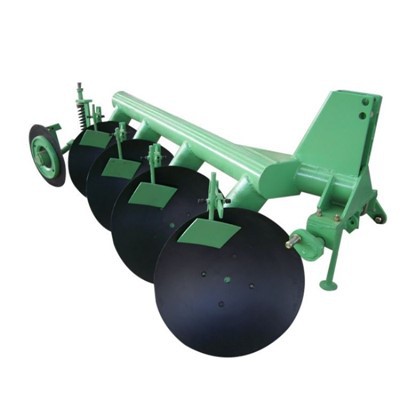
If you’re in the market for a new tractor, whether it’s for small hobby farming or large-scale commercial work, our team is here to help you figure out the right power steering system for your needs. We can walk you through the differences between hydraulic and EPS, show you maintenance best practices to keep your steering running smoothly, and answer any questions you have about the systems we build into our tractors. Reach out to our team today to start a conversation, and we’ll help you find the tractor that fits your operation.
Agricultural Implements References:
National Agricultural Statistics Service. Tractor Technology and Maintenance Protocols for U.S. Farm Operations, 2022.
SAE International. Hydraulic and Electronic Power Steering Systems for Agricultural Tractors, 2021.
American Society of Agricultural and Biological Engineers. Precision Agriculture System Integration for Farm Machinery, 2020.
Shandong Ling Ke Industry Group Co., Ltd.
As one of the most professional tractor manufacturers and suppliers in China, we’re featured by quality products and good price. Please rest assured to buy cheap tractor for sale here from our factory. We also accept customized orders.
Address: 50 Meters West of the Connecting Road Between Jiuma Road and Shima Road, Fangzi District, Weifang City, Shandong Province, P.R.China
E-mail: aileenlin@sdlingkegroup.com
WebSite: https://www.lingketractor.com/
