Hey there! I’m a supplier of endoscopic systems, and I often get asked how these nifty devices stack up against other diagnostic methods. So, I thought I’d take a deep dive into this topic and share my insights. Endoscopic System
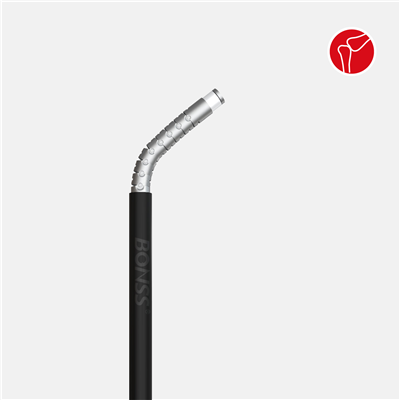
Let’s start with what an endoscopic system is. In a nutshell, it’s a medical tool that lets doctors peek inside the body without having to make big incisions. It consists of a long, thin tube with a light and a camera at the end. This tube can be inserted into different parts of the body, like the digestive tract, lungs, or even joints. The camera sends images back to a monitor, giving the doctor a clear view of what’s going on inside.
Now, let’s compare endoscopic systems to some other common diagnostic methods.
X – Rays
X – rays have been around for ages, and they’re still widely used. They work by sending electromagnetic radiation through the body. Dense structures like bones show up as white on the X – ray image, while softer tissues are less visible.
One of the biggest advantages of X – rays is that they’re quick and easy to do. You just stand in front of the X – ray machine for a few seconds, and boom, you’ve got your image. They’re also pretty cheap compared to some other diagnostic methods.
But X – rays have their limitations. They mainly show bones and can’t give a detailed view of soft tissues. For example, if there’s a problem with an organ like the stomach or the liver, an X – ray might not be able to show it clearly. That’s where an endoscopic system comes in handy. With an endoscope, doctors can directly visualize the inner lining of organs, look for small lesions or tumors that might not show up on an X – ray.
CT Scans
CT scans, or computed tomography scans, are like a more advanced version of X – rays. They take multiple X – ray images from different angles and use a computer to create detailed cross – sectional images of the body.
CT scans are great for seeing detailed structures inside the body. They can detect conditions like tumors, fractures, and internal bleeding. They’re also useful for getting a 3D view of the body, which can be really helpful for surgical planning.
However, CT scans have some downsides. First of all, they expose the patient to a relatively high dose of radiation, which can be a concern, especially for repeated scans. They’re also more expensive than X – rays and usually take longer to complete. In contrast, an endoscopic system exposes the patient to zero radiation. It allows for real – time visualization of the inside of the body, and in many cases, doctors can perform minor procedures right then and there, like taking a biopsy or removing a small polyp.
MRI Scans
MRI, or magnetic resonance imaging, uses a powerful magnetic field and radio waves to create detailed images of the body. It’s especially good at showing soft tissues, like the brain, spinal cord, and muscles.
MRI scans provide very detailed images, and they don’t use radiation. This makes them a preferred choice for certain types of diagnoses, especially when dealing with the nervous system or soft – tissue injuries.
But MRIs have their own set of problems. They’re very expensive, and the machines are huge and expensive to maintain. Also, the scanning process is quite noisy, and some patients may feel claustrophobic inside the MRI machine. An endoscopic system, on the other hand, is more portable in some cases and can be used in a variety of settings, not just in a large, specialized imaging room. It can give a direct view of the problem area, which is sometimes more valuable than a cross – sectional or reconstructed image from an MRI.
Ultrasound
Ultrasound uses high – frequency sound waves to create images of the inside of the body. It’s commonly used during pregnancy to check on the baby, but it’s also used to look at organs like the liver, kidneys, and heart.
Ultrasound is non – invasive, which means it doesn’t require any incisions or needles. It’s also relatively cheap and doesn’t expose the patient to radiation.
However, ultrasound has limited penetration and can’t provide a clear view of deeper structures. It’s also highly operator – dependent, which means the quality of the images depends a lot on the skill of the person doing the scan. An endoscopic system can go directly to the site of interest and provide a clear and direct view, regardless of the depth of the structure.
Advantages of Endoscopic Systems
There are several reasons why endoscopic systems are such a great diagnostic tool.
Direct Visualization
As I’ve mentioned before, an endoscopic system allows doctors to directly see what’s going on inside the body. They can look at the color, texture, and shape of tissues, which can be really important for diagnosing diseases. For example, in the case of cancer, the appearance of the tumor can give doctors clues about its type and how advanced it is.
Real – Time Diagnosis and Treatment
With an endoscopic system, doctors can make a diagnosis right on the spot. They can also perform minor procedures immediately if needed. For example, if they see a small polyp in the colon during a colonoscopy, they can remove it right away. This saves time and reduces the need for additional procedures.
Minimal Invasiveness
Compared to traditional surgical methods, endoscopic procedures are much less invasive. They usually require only a small incision or no incision at all. This means less pain, less scarring, and a faster recovery time for the patient.
Versatility
Endoscopic systems can be used in many different parts of the body. There are endoscopes for the digestive tract (gastroscopy, colonoscopy), the respiratory tract (bronchoscopy), and even for joints (arthroscopy). This makes them a very versatile tool in the medical field.
When to Choose Other Diagnostic Methods
Of course, endoscopic systems aren’t always the best choice. There are situations where other diagnostic methods might be more appropriate.
If you’re looking for a quick overview of the skeletal system, an X – ray might be the way to go. For detailed cross – sectional images of the whole body, a CT scan could be more useful. And if you’re dealing with soft – tissue injuries in the brain or spinal cord, an MRI might be the better option.
But in many cases, an endoscopic system can provide a more accurate, real – time, and less invasive diagnosis. It’s a great tool to have in the medical arsenal, whether you’re dealing with a suspected tumor, a digestive disorder, or a respiratory problem.
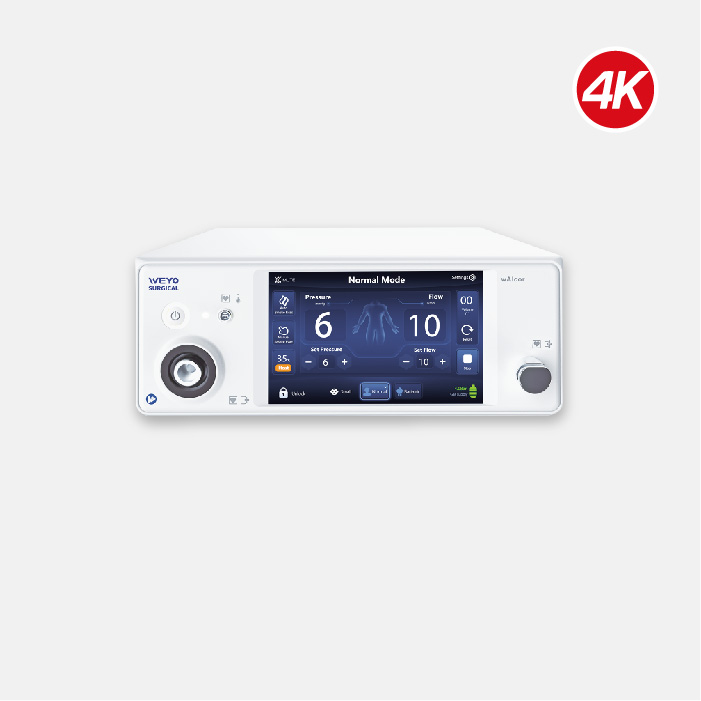
If you’re in the medical field and are looking for a reliable endoscopic system, I’d love to talk to you. I can provide you with high – quality endoscopic equipment that will meet your diagnostic needs. It’s always a good idea to have the latest and greatest tools at your disposal for the best patient care. So, don’t hesitate to reach out for a chat about how my endoscopic systems can fit into your practice.
UBE Surgical Instrument Sets References
- Harrison’s Principles of Internal Medicine
- Current Diagnosis & Treatment in Gastroenterology
- Diagnostic Imaging: Chest (a textbook for reference on airway – related diagnosis)
Jiangsu Bonss Medical Technology Co., Ltd.
As one of the most professional endoscopic system manufacturers and suppliers in China, we’re featured by quality products and good price. Please rest assured to buy bulk endoscopic system for sale here from our factory. Customized orders are welcome.
Address: Building #7,No.898,China Medical City Avenue, Haling District, Taizhou City.Jiangsu P.R. China
E-mail: inquiry@plasma-surgical.com
WebSite: https://www.bonssmedical.com/
