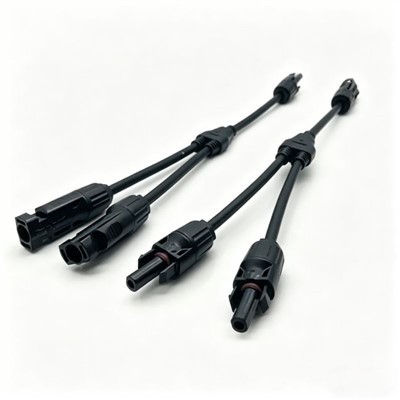
Hey there! I’m a supplier of Inline PV Connectors, and today I wanna talk about how to handle a faulty Inline PV Connector. We all know that these connectors are super important in the solar power system. They play a key role in transferring the electricity generated by solar panels to other parts of the setup. So, when they go wrong, it can be a real headache. Inline PV Connector
Identifying the Problem
The first step in handling a faulty Inline PV Connector is to figure out what’s wrong. It could be several issues. One common problem is overheating. If you notice that the connector is hot to the touch, that’s a big red flag. Overheating can be caused by a poor connection. Maybe the connector isn’t properly plugged in or the contacts inside are dirty or corroded.
Another thing to look out for is physical damage. Inspect the connector carefully. Are there any cracks or breaks in the housing? Sometimes, accidents happen during installation or maintenance, and the connector can get banged up. If the housing is damaged, it might not be able to protect the internal components properly, which can lead to electrical problems.
Electrical resistance is also a crucial factor. A high resistance in the connector can cause a significant loss of power. You can use a multimeter to measure the resistance. If the reading is way higher than it should be, there’s definitely an issue with the connector.
Troubleshooting Steps
Once you’ve identified the problem, it’s time to start troubleshooting. If the issue is overheating due to a poor connection, the first thing you can do is to check the connection itself. Make sure the connector is fully inserted into the corresponding port. Sometimes, it might just need a little push to ensure a tight fit.
If the contacts are dirty or corroded, you can clean them. Use a soft, dry cloth to gently wipe the contacts. For more stubborn dirt or corrosion, you can use a contact cleaner. Just spray a small amount on the contacts and then wipe them again. But be careful not to get any cleaner on the other parts of the connector or the solar panel.
In case of physical damage, if the crack or break is minor, you might be able to repair it using an appropriate adhesive. However, if the damage is severe, it’s usually better to replace the connector. Using a damaged connector can be dangerous and can also affect the performance of the entire solar power system.
When dealing with high electrical resistance, besides cleaning the contacts, you should also check the wires connected to the connector. Sometimes, the problem might not be with the connector itself but with the wires. Make sure the wires are properly attached and there are no frayed or broken strands.
Replacement Process
If you’ve determined that the connector needs to be replaced, here’s how you can do it. First, you’ll need to disconnect the power source. Safety first, right? You don’t want to get electrocuted while working on the connector.
Next, carefully remove the old connector. This might involve removing some screws or clips, depending on the type of connector. Once the old connector is out, take a look at how it was wired. Make a note of which wire goes where. This will make it easier to install the new connector correctly.
Now, take your new Inline PV Connector. Connect the wires to the new connector according to the notes you made earlier. Make sure the connections are secure. Then, install the new connector in the same place where the old one was. Reattach any screws or clips to hold it in place.
After the new connector is installed, double – check all the connections. Then, you can reconnect the power source and test the system to make sure everything is working properly.
Preventive Measures
Of course, it’s always better to prevent problems from happening in the first place. When installing Inline PV Connectors, make sure to follow the manufacturer’s instructions carefully. Use the right tools and techniques to ensure a proper installation.
Regular maintenance is also crucial. Inspect the connectors periodically for any signs of wear and tear, such as discoloration, loose parts, or minor cracks. Clean the connectors as needed to prevent dirt and corrosion from building up.
When handling the connectors, be gentle. Avoid rough handling that could cause physical damage. Store the connectors in a dry, clean environment when they’re not in use.
Importance of Quality Connectors
As a supplier of Inline PV Connectors, I can’t stress enough the importance of using high – quality connectors. Cheaper, low – quality connectors might seem like a good deal at first, but they’re more likely to cause problems. They might not have the same level of durability or corrosion resistance as high – quality ones.
Investing in quality Inline PV Connectors can save you a lot of time and money in the long run. You’ll have fewer issues with faulty connectors, and your solar power system will perform better and last longer.
Contact for Purchase
Outdoor Battery Cabinet If you’re in the market for reliable Inline PV Connectors, I’d love to talk to you. Whether you’re setting up a new solar power system or looking to replace some faulty connectors, I can offer you top – notch products at competitive prices. Reach out to me for a quote or to discuss your specific needs. I’m here to help you make the most of your solar energy setup.
References
- Solar Power Systems Handbook: Best Practices for Installation and Maintenance
- Electrical Connectors in Renewable Energy: A Comprehensive Guide
Tianjin Xilingke New Energy Technology Co., Ltd.
Address: Suite 2601, Tower B, Wanghai International, Haihe East Road, Hebei District, Tianjin, China.
E-mail: robin@sinelinkev.com
WebSite: https://www.sinelinkenergy.com/
