Conveyor sprockets are crucial components in conveyor systems, responsible for transferring power and ensuring the smooth movement of the conveyor belt. As a seasoned conveyor sprocket supplier, I’ve witnessed firsthand the importance of using the right materials to ensure the durability, efficiency, and safety of these products. In this blog post, I’ll explore the various materials used to make conveyor sprockets, their unique properties, and the applications they’re best suited for. Conveyor Sprocket
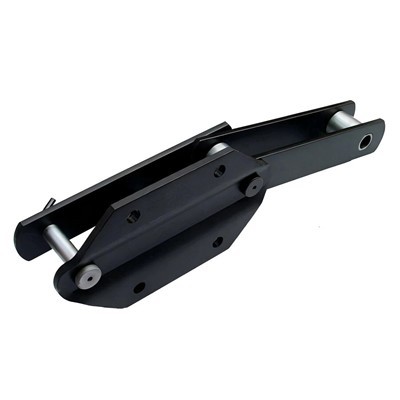
Steel
Steel is one of the most commonly used materials for conveyor sprockets, and for good reason. It offers a combination of strength, durability, and affordability that makes it ideal for a wide range of applications. There are several types of steel that are commonly used in the manufacturing of conveyor sprockets:
Carbon Steel
Carbon steel is a popular choice for conveyor sprockets due to its high strength and relatively low cost. It contains varying amounts of carbon, which gives it different properties. Low-carbon steel, for example, is more ductile and easier to machine, while high-carbon steel is stronger and more wear-resistant. Carbon steel sprockets are commonly used in general-purpose conveyor systems where the operating conditions are not too severe.
Alloy Steel
Alloy steel is made by adding other elements, such as chromium, nickel, and molybdenum, to carbon steel. These additional elements enhance the strength, hardness, and corrosion resistance of the steel. Alloy steel sprockets are often used in applications where the conveyor system is exposed to harsh environments, high temperatures, or heavy loads. They are commonly found in industries such as mining, construction, and automotive manufacturing.
Stainless Steel
Stainless steel is a corrosion-resistant alloy that contains chromium. It is widely used in conveyor sprockets for applications where hygiene and corrosion resistance are critical, such as in the food and beverage industry, pharmaceutical industry, and chemical processing. Stainless steel sprockets are also suitable for outdoor applications where the sprockets are exposed to moisture and other environmental factors.
Cast Iron
Cast iron is another material commonly used in the production of conveyor sprockets. It is known for its excellent wear resistance, damping properties, and ability to withstand high loads. There are two main types of cast iron used for conveyor sprockets:
Gray Cast Iron
Gray cast iron is the most common type of cast iron used for conveyor sprockets. It has a graphite microstructure that gives it good wear resistance and damping properties. Gray cast iron sprockets are relatively inexpensive and are commonly used in low-speed conveyor systems where the loads are not too heavy.
Ductile Cast Iron
Ductile cast iron, also known as nodular cast iron, has a higher strength and ductility compared to gray cast iron. It contains small amounts of magnesium or cerium, which causes the graphite to form in spherical nodules rather than flakes. Ductile cast iron sprockets are more suitable for high-speed and heavy-load conveyor applications. They are often used in industries such as agriculture, mining, and manufacturing.
Bronze
Bronze is an alloy of copper and tin, with other elements such as zinc, lead, and phosphorus sometimes added to improve its properties. Bronze is known for its excellent corrosion resistance, low friction coefficient, and good wear resistance. It is often used in conveyor sprockets for applications where lubrication is difficult or where the sprockets are exposed to corrosive environments, such as in the marine industry or in chemical processing plants.
Plastic
Plastic materials, such as nylon and polyurethane, are increasingly being used in the manufacturing of conveyor sprockets. These materials offer several advantages, including low weight, low noise operation, corrosion resistance, and self-lubricating properties. Plastic sprockets are often used in applications where noise reduction is a priority, such as in food processing plants or in office environments. They are also suitable for applications where the conveyor system is exposed to moisture or chemicals.
Selecting the Right Material
When selecting the material for a conveyor sprocket, several factors need to be considered:
Operating Conditions
The operating conditions of the conveyor system, such as the temperature, humidity, and presence of corrosive substances, will determine the type of material that is most suitable. For example, in a high-temperature environment, a heat-resistant steel or alloy may be required, while in a corrosive environment, stainless steel or plastic may be the better choice.
Load Requirements
The load requirements of the conveyor system will also influence the material selection. Heavy loads require sprockets made of strong and durable materials, such as steel or ductile cast iron. Lighter loads may be accommodated by sprockets made of plastic or bronze.
Speed and Accuracy
The speed and accuracy of the conveyor system also play a role in material selection. High-speed conveyor systems may require sprockets with excellent wear resistance and low friction properties. Materials such as alloy steel or bronze are often preferred for these applications.
Cost
Cost is always a consideration when selecting materials. While steel and cast iron are generally more affordable, materials such as stainless steel or bronze may be more expensive. The overall cost of the sprocket should be balanced with its performance and durability.
Conclusion
In conclusion, the choice of material for conveyor sprockets depends on a variety of factors, including the operating conditions, load requirements, speed, accuracy, and cost. As a conveyor sprocket supplier, I understand the importance of providing our customers with high-quality sprockets made from the right materials. Whether you need a sprocket for a general-purpose conveyor system or a specialized application, we have the expertise and experience to help you select the most suitable material for your needs.
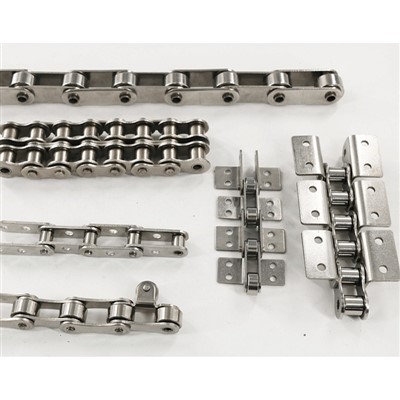
Scraper Feeder Chain If you’re in the market for conveyor sprockets or have any questions about our products, please don’t hesitate to contact us. Our team of experts is ready to assist you in finding the perfect solution for your conveyor system. We look forward to the opportunity to work with you and help you achieve optimal performance and efficiency in your operations.
References
- "Materials for Conveyor Components" – Conveyor Equipment Manufacturers Association (CEMA)
- "Design and Selection of Sprockets" – Machinery’s Handbook
- "Properties and Applications of Different Metals" – ASM Handbook
Zhejiang Hangte Chain Transmission Co., Ltd.
We are one of the most experienced conveyor sprocket manufacturers and suppliers in China since 1999. Please rest assured to buy high quality conveyor sprocket made in China here from our factory. If you have any enquiry about cooperation, please feel free to email us.
Address: No. 195 Qinglin East Street, Qingshan Lake Subdistrict, Lin’an District, Hangzhou City, Zhejiang Province
E-mail: hangtechain@gmail.com
WebSite: https://www.chinahtchain.com/
