As a dedicated supplier of elevator modules, I’ve had the privilege of delving deep into the intricate world of elevator technology. Elevator modules are the backbone of modern vertical transportation systems, and understanding their main components is crucial for anyone involved in the elevator industry, from architects and engineers to building owners and maintenance personnel. In this blog post, I’ll take you through the key elements that make up an elevator module, shedding light on their functions and importance. Elevator Module

1. Cab and Enclosure
The elevator cab is the most visible part of the elevator system, serving as the passenger compartment. It is designed to provide a safe and comfortable ride for passengers. The cab is typically made of high – strength materials such as steel or aluminum to ensure durability. Inside, it is equipped with various features for passenger convenience, including lighting, ventilation, and control panels.
The enclosure, on the other hand, surrounds the cab and the hoistway. It provides structural support and protection for the elevator components. The enclosure is often made of fire – resistant materials to meet safety regulations. It also includes doors at each floor and in the cab itself. These doors are equipped with safety mechanisms such as door sensors to prevent them from closing on passengers or objects.
2. Hoistway and Guide Rails
The hoistway is the vertical shaft through which the elevator cab moves. It is a critical component that must be carefully designed and constructed to ensure the smooth and safe operation of the elevator. The hoistway is lined with guide rails, which are precision – engineered steel tracks that guide the elevator cab up and down.
The guide rails play a vital role in maintaining the stability and alignment of the cab during its movement. They prevent the cab from swaying or tilting, ensuring a comfortable and safe ride for passengers. The guide shoes on the cab fit onto the guide rails, allowing the cab to move smoothly along the tracks.
3. Drive System
The drive system is responsible for moving the elevator cab up and down. There are several types of drive systems, including traction and hydraulic systems.
Traction Drive System
Traction drive systems are the most common type of elevator drive system. They use a motor to drive a sheave, which is a grooved wheel that interacts with steel ropes or belts. The ropes or belts are attached to the cab and a counterweight. When the motor rotates the sheave, the ropes or belts move, causing the cab to move up or down. Traction drive systems are known for their energy efficiency and smooth operation.
Hydraulic Drive System
Hydraulic drive systems use a hydraulic piston to move the elevator cab. A pump forces hydraulic fluid into the piston, which then raises or lowers the cab. Hydraulic elevators are typically used in low – rise buildings and are known for their reliability and ability to handle heavy loads.
4. Control System
The control system is the brain of the elevator module. It manages the operation of the elevator, including the movement of the cab, the opening and closing of the doors, and the communication between different components.
The control system consists of a controller, which is a computer that processes information from various sensors and inputs. It also includes a control panel inside the cab and at each floor, allowing passengers to select their desired floors. The control system uses algorithms to optimize the elevator’s operation, ensuring efficient and safe transportation of passengers.
5. Safety Systems
Safety is of utmost importance in elevator design. Elevator modules are equipped with a variety of safety systems to protect passengers and prevent accidents.
Over – speed Governor
The over – speed governor is a device that monitors the speed of the elevator cab. If the cab exceeds a certain speed, the governor activates a safety brake, which stops the cab from moving. This is a crucial safety feature that prevents the cab from free – falling in case of a mechanical failure.
Safety Brake
The safety brake is another important safety component. It is designed to stop the elevator cab in case of an emergency, such as a power failure or a cable break. The safety brake is typically activated by the over – speed governor or other safety sensors.
Door Safety Sensors
As mentioned earlier, door safety sensors are installed on the elevator doors to prevent them from closing on passengers or objects. These sensors use infrared or other technologies to detect the presence of an object in the door opening and will stop the door from closing if an obstruction is detected.
6. Electrical and Electronic Components
Elevator modules rely on a complex network of electrical and electronic components to function properly. These components include motors, generators, relays, and sensors.
The motors provide the power to drive the elevator, while the generators can be used to generate electricity during braking, which helps to save energy. Relays are used to control the flow of electricity in the elevator system, and sensors are used to monitor various parameters such as the position of the cab, the speed of the elevator, and the status of the doors.
7. Counterweight
The counterweight is an important part of the elevator system, especially in traction drive systems. It is designed to balance the weight of the elevator cab and its passengers. By reducing the amount of work the motor has to do, the counterweight improves the energy efficiency of the elevator.
The counterweight is typically made of cast iron or concrete and is connected to the cab by the ropes or belts. As the cab moves up, the counterweight moves down, and vice versa.
Conclusion
In conclusion, an elevator module is a complex system composed of many different components, each playing a crucial role in its operation. From the cab and enclosure to the drive system, control system, and safety systems, every part must work together seamlessly to ensure the safe and efficient transportation of passengers.
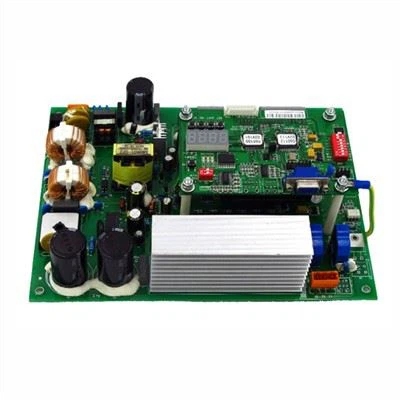
As a supplier of elevator modules, I am committed to providing high – quality components that meet the highest standards of safety and performance. Our products are designed and manufactured using the latest technologies and materials to ensure reliability and durability.
Elevator Lock If you are in the market for elevator modules or have any questions about our products, I encourage you to reach out to us. We would be more than happy to discuss your specific needs and provide you with a customized solution. Let’s work together to create a better vertical transportation experience.
References
- "Elevator Technology Handbook" by John T. Smith
- "Modern Elevator Design" by David A. Brown
- Industry standards and guidelines from relevant elevator associations
Sanjin Elevator Parts Co., Ltd.
Sanjin Elevator Parts Co., Ltd. is one of the most professional elevator module manufacturers and suppliers in China, featured by quality products and good service. Please rest assured to buy or wholesale high-grade elevator module at competitive price from our factory.
Address: 18th Floor, Xinyuan Center, Fenghe Road, Xi’an, Shaanxi, China
E-mail: elevatorparts@westdt.com
WebSite: https://www.sanjinelevator.com/
