If you’ve ever stood in our workshop here at the Grinding Wheels supply warehouse, watching our team test different abrasives on steel and aluminum, you’ve probably wondered the same question I get asked every week: Can I use a grinding wheel for wet grinding? Let’s cut through the myths and misinformation you might find in random online forums, where half the answers are from hobbyists who’ve used a backyard grinder without ever reading a proper safety guide. As someone who’s been in the grinding wheel supply business for 12 years, I’ve seen both the game-changing benefits of wet grinding and the avoidable mistakes that come from using the wrong wheel for the wrong wet application. Grinding Wheels
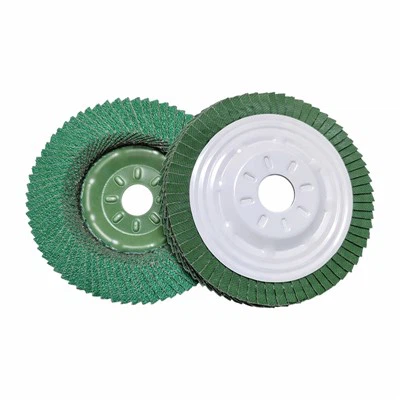
First, let’s define what wet grinding actually is, because a lot of people mix it up with just “running water over a grinding wheel.” Wet grinding is the process of directing a coolant (usually a water-based solution, sometimes with oil additives) onto the wheel and workpiece during grinding. The purpose of that coolant? Three main things: it reduces heat buildup, which prevents thermal damage to the metal (like warping or burning) and stops the grinding wheel from glazing up—when the abrasive grains get dull and stop cutting effectively. It also flushes away metal shavings and grit, so they don’t scratch the workpiece or get packed into the wheel’s pores.
Now, the short answer is yes—you can use many of our standard grinding wheels for wet grinding, but not all. The key here is matching the wheel’s bond type and abrasive material to the wet environment. Let’s break this down by wheel types, because that’s where most people go wrong. For example, vitrified bond grinding wheels, which are some of the most common we supply for general-purpose grinding, are perfectly designed for wet use. Vitrified bonds are made from fired clay-like materials, which are porous and water-resistant—they don’t soften, break down, or lose their structural integrity when exposed to coolant. That’s why we recommend vitrified wheels for most wet grinding applications, from tool sharpening to surface grinding on machine parts.
On the other hand, resin bond grinding wheels, especially those with soft or low-grade resin, are a different story. If you use a resin bond wheel meant for dry grinding with a wet coolant, two things will happen fast. First, the resin will absorb water, which weakens the bond. The abrasive grains will break loose prematurely, leading to a rough, uneven cut and a wheel that wears out in days instead of weeks. Second, wet resin bonds can create a slip between the grains and the bond, so the wheel won’t cut as efficiently, and you’ll end up with more heat buildup because there’s no proper chip clearance. We see this mistake all the time: a customer buys a cheap dry resin wheel online, dips it in water, and calls us complaining that our “high-quality wheels” are overpriced. It’s not the wheel—it’s the application.
Abrasive material matters too. Aluminum oxide wheels, which are ideal for grinding ferrous metals like steel, iron, and stainless steel, work exceptionally well with wet coolant. The coolant prevents the aluminum oxide grains from overheating, so they stay sharp longer and produce a smoother finish. We supply aluminum oxide wheels in both vitrified and resin bonds, but for wet grinding, we always push vitrified aluminum oxide over resin. Silicon carbide wheels, used for non-ferrous metals like aluminum, brass, and stone, are also great for wet grinding—again, as long as the bond is water-resistant. Silicon carbide is naturally hard and friable, meaning it breaks down into sharp edges as it cuts, and the wet coolant helps that process happen consistently without the wheel clogging up.
Now, let’s talk about when you should not use a standard grinding wheel for wet grinding. If you’re using a diamond or CBN (cubic boron nitride) grinding wheel for precision work, there are additional considerations, but the core rule still applies: check the bond. Diamond wheels with a metal bond are fine for wet use, because metal doesn’t break down in water. But diamond wheels with a soft resin bond? Same issue as before—water absorption weakens the bond. And for specialty applications, like high-speed grinding on a 50-horsepower machine, even vitrified wheels can have issues if the coolant isn’t properly filtered. If metal shavings get trapped in the coolant and get packed into the wheel, they can cause imbalance and increase wear, so regular coolant maintenance is non-negotiable.
I want to share a story from a customer last year, a small machine shop in Ohio that was using dry grinding for their custom steel parts. They were burning 20% of their workpieces, which meant reworking or scrapping parts and losing money. Their old dry grinding wheels were glazing every 45 minutes, so they were stopping every hour to dress the wheel, which slowed production to a crawl. When they came to us, we recommended vitrified aluminum oxide wheels paired with a water-based synthetic coolant. Within a month, their burn rate dropped to less than 1%, they only had to dress the wheel once every four hours, and their production time per part went down by 12%. That’s the kind of result wet grinding can deliver when you use the right wheel.
But let’s address the counterarguments, because some people swear by dry grinding only. For hobbyists grinding a knife blade at home, dry grinding might be fine—they’re dealing with small, thin pieces, and the heat buildup is manageable if they work in short bursts. For high-precision work, like grinding a spindle for a CNC machine, wet grinding is non-negotiable. The tight tolerances (sometimes within a few microns) can’t be achieved with dry grinding, because heat causes the metal to expand, and when it cools, it warps. Also, dry grinding creates more dust, which is a health hazard for operators—OSHA has strict limits on grinding dust exposure, and wet grinding eliminates most of that dust.
Another common myth: wet grinding will cause the workpiece to rust. That’s only true if you’re using plain water as coolant, not a formulated grinding coolant. We supply a range of water-based coolants with rust inhibitors, anti-corrosion additives, and lubricants that not only protect the metal but also extend the life of the grinding wheel. If you’re using a cheap, unmodified water source, then yes, you might get rust, but that’s a coolant problem, not a wet grinding problem.
So, how do you know if your current grinding wheel is safe for wet grinding? First, check the manufacturer’s label—any wheel designed for wet use will say so explicitly. Second, look at the bond: vitrified bond is almost always safe, resin bond is safe only if it’s a high-temperature, water-resistant resin (we mark those as “wet-rated” on all our product listings). Third, test it carefully at low speed before running at full power. If you notice the wheel getting noticeably softer, vibrating, or producing excessive dust, shut it down—you’re using the wrong wheel for wet grinding.
For our business as a grinding wheel supplier, this question is the foundation of what we do. We don’t just sell wheels—we match the right wheel to the customer’s specific application, whether that’s a hobbyist sharpening garden tools or a large aerospace facility grinding turbine blades. Last quarter, we expanded our wet-rated grinding wheel line by 30% because the demand is so high. Customers are tired of wasting money on wheels that wear out too fast, have poor finish, or cause material damage. Wet grinding isn’t a trend—it’s a more efficient, safer, and cost-effective way to grind, as long as you have the right equipment.
If you’re currently using dry grinding and looking to make the switch, or you’re not sure which wheel is right for your wet grinding setup, we’re here to help. We’ve worked with everything from small one-person shops to Fortune 500 manufacturing plants, and we can recommend the exact wheel, coolant, and setup to fit your needs. Don’t keep dealing with burnt parts, worn-out wheels, or slow production—reach out to our team, and we’ll walk you through everything from selecting the right abrasive to maintaining your wheel for long-term use.
Flap Disc References
- Oberg, E., Jones, F. D., Horton, H. L., & Ryffel, H. H. (2000). Machinery’s Handbook (25th ed.). Industrial Press Inc.
- ASTM International. (2018). Standard Practice for Laboratory Testing of Grinding Wheels (ASTM B74-18).
- Occupational Safety and Health Administration (OSHA). (2021). Controlling Dust in the Workplace: Grinding and Cutting Operations.
- Shaw, M. C. (1996). Metal Cutting Principles (2nd ed.). Oxford University Press.
- Grinding Wheel Manufacturers Association (GWMA). (2022). Best Practices for Wet Grinding Operations.
Henan Yandisc Hardware Tools Co., Ltd.
Address: Zinan Road, High-tech Industrial Development Zone, Zhengzhou, Henan, China
E-mail: info@yandisc.com
WebSite: https://www.yandisc.com/
