Alright, let’s cut the crap—if you’re a packaging line owner, you know how much of a headache bad caps can be. A misaligned cap with a chip, a wrong size, or one that’s just… garbage? It’ll halt your line faster than a flat tire on a delivery truck. That’s where cap sorter machines come in, and as someone who’s been supplying these things for over a decade, I can tell you the software features aren’t just fancy add-ons—they’re what make or break whether your sorter runs 24/7 without a meltdown. Let’s break down what actually matters here, no tech jargon overload (I’ll translate, promise). Cap Sorter Machine

First off, let’s be real: not all cap sorters are the same. Back in the day, these things were clunky, hard to tweak, and if your SKU changed? You were calling a tech to re-program it for half a day. Nowadays, the good ones (the ones my company sells) have software that’s straight-up user-friendly. Wait, let’s start with the basics—core feature that’s non-negotiable: real-time vision inspection with adaptive learning. Yeah, I said “vision,” but it’s not just a basic camera taking a pic. The software ties high-res cameras to machine learning models that don’t just spot a bad cap—they learn what’s bad for YOUR specific caps. Like, if you’re making 20mm plastic screw caps for soda, the software learns what a “good” cap looks like: no burrs on the thread, correct diameter, full seal ring intact. If you switch to 15mm crimp caps for medicine? You don’t need a new tech team—you just upload the cap’s CAD file (or even take a quick pic of a master good cap) and the software updates its rules in 2 minutes. No downtime, no messing with code. And here’s the kicker: it doesn’t just flag defects. It categorizes them. Like, if 10% of your caps have thread burrs, it’ll tell you that’s your mold acting up, not just tossing a bad one. That’s data you can actually use, not just noise.
Next up, line integration and seamless data sync. Let’s face it, your sorter isn’t working alone. It’s connected to your cap feeder, your capper, your packaging line, maybe even your inventory system. Old software would fight with other machines—like, the sorter would think the feeder sent too many caps, and the feeder would ignore it, causing jams. The software we build (and supply) has open API access—so it talks to your existing line’s software, whether it’s a Rockwell, Siemens, or that random system you cobbled together 5 years ago. It syncs cap count in real-time, so if your capper goes down, the sorter pauses automatically instead of dumping 500 bad caps on the floor. Also, it logs every single cap that passes through—good or bad. So if a client calls and says “we had a batch of bad soda caps last week,” you can pull the data, see exactly when, how many, what kind of defect, and even trace it back to the cap mold. That’s a game-changer for quality control, no more guesswork.
Then there’s the interface—yes, the software’s user interface (UI) matters more than you think. I’ve seen sorters with interfaces that look like they were built in 1995, with tiny buttons and menus that make zero sense. Our software has a touchscreen UI that’s like using your phone. The main screen shows you a live feed of the sorter, how many caps are being sorted, defect rates, even a little alert if something’s off (like “camera blockage” or “low reject bin”). Changing settings? If you need to adjust the reject threshold (like, let’s say you’re making caps for salad dressing where a tiny burr isn’t a big deal, but for medicine it’s a no-go), you just slide a bar. No typing in numbers, no navigating 10 menus. Also, it has offline capability—wait, no, not offline like no internet, but offline for when you’re not connected to your main line. If you need to test a new cap batch before running it on the line, you can plug a USB drive with the batch’s data and test the sorter without interrupting production. That’s huge for small runs or testing new products.
Wait, let’s talk about reject handling and custom logic. Reject bins are just bins if the software isn’t smart. The best cap sorter software doesn’t just dump all bad caps into one bin—it sorts them by defect type. So you have one bin for caps with thread burrs, one for wrong size, one for chipped tops, etc. That means when you get a bad batch, you can send only the defective subset back to your supplier, not the whole batch. Also, custom logic: let’s say your line runs two different cap sizes, and you need the sorter to send size A to line 1 and size B to line 2. The software lets you map that—no extra hardware, just a quick setting. Some sorters even have a “priority sort” feature: if a client has a rush order, you can set the software to prioritize that SKU over others, so it sorts faster for that batch without messing up the rest.
Oh, and predictive maintenance alerts—this is the software feature that saves you from expensive breakdowns. Old sorters would just die, and you’d be down for 8 hours waiting for a tech. Our software monitors every part of the sorter’s operation: camera calibration, feeder speed, reject bin levels, even motor wear. If the camera is getting a little blurry (which would make it miss defects), it sends an alert 2 weeks before it actually fails. If the reject bin is almost full, it texts or emails the operator so they can empty it during a break, not in the middle of a run. It also keeps a log of maintenance, so you can schedule service when it’s convenient for you, not when your line is already down. That’s the kind of feature that makes clients come back—they don’t have to panic over unexpected downtime.
Wait, let’s be honest—security matters too? Yeah, even industrial software. You don’t want some random person messing with your sorter settings, or a glitch in the software letting bad caps slip through. Our software has user access levels: operators can only start/stop the sorter and empty bins, supervisors can change settings, and only management can access the high-level data logs. It also has encrypted data storage, so your production data doesn’t get hacked or lost. No more worrying about someone accidentally changing a setting and ruining a whole batch.
Let me also mention something that’s often overlooked: batch tracking and compliance. Especially if you’re in food, beverage, or pharmaceuticals, you need to meet regulatory standards (FDA, GMP, whatever). The software logs every batch: when it was sorted, how many caps, defect rates, operator name, even the camera calibration that day. So if an inspector comes, you can pull up the batch in 2 clicks, no manual paperwork. We had a client a few months back in the medicine industry—they got audited, and the software’s data saved them hours of digging through binders, and they passed with zero issues. That’s not a small thing; regulatory fines can be killer.
Now, let’s talk about what makes our software different from the cheap ones. A lot of cap sorter suppliers use off-the-shelf software and just slap a sorter on it. That’s garbage—because it’s not built for the specific quirks of cap sorting. Caps are tiny, they move fast, they can be made of different materials (plastic, aluminum, even glass). Our software is custom-built for cap handling, so it’s optimized to spot even the tiniest defects on curved surfaces—something off-the-shelf vision software can’t do. Also, we offer free software updates for life for the machines we supply. A lot of suppliers charge you every time you need to update the software, especially for new cap types. We don’t—because your business changes, and your sorter software should change with you.
Wait, let’s throw in a real example to make this concrete. Last year, a client of ours was a craft soda company. They switched from 20mm metal caps to 22mm plastic caps, and their old sorter (from a different supplier) took 3 days to re-program, had a 15% defect rate after the switch, and kept jamming. They switched to one of our cap sorters, and we had it installed in 2 hours. The software took 5 minutes to upload the new cap’s specs, and within an hour their defect rate was down to 0.2%—that’s way below industry standards. The software even told them that most of the small defects were from their new plastic cap mold, so they fixed the mold and the defect rate dropped even more. That’s the value of good software, not just a machine.
Now, let’s cut to the chase—why does all this matter for you? If you’re running a packaging line, your sorter is a workhorse, but the software is its brain. Bad software means downtime, more defective products, more waste, higher costs. Good software means less hassle, higher efficiency, compliance, and data that helps you improve your whole operation.
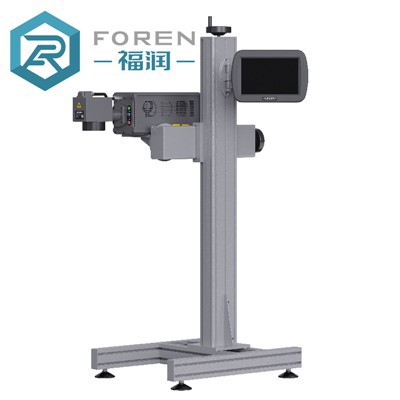
At the end of the day, if you’re shopping for a cap sorter, don’t just look at the size or the price tag. Ask about the software. What kind of vision system does it use? Can it learn my specific caps? Does it integrate with my existing line? Does it give me data I can use? If the supplier can’t answer those clearly, keep looking. We’ve been doing this for years, and we know that the software is what makes a cap sorter worth the investment.
Seawater Desalination Plant If you’re tired of sorters that act up, that take forever to adjust, or that don’t give you the data you need—hit us up to talk more. We can walk you through exactly how our software works for your specific cap types, your line setup, no pressure, just straight talk. We’ve helped everything from small craft brands to big multinational corporations fix their cap sorting headaches, and we can help you too. So don’t waste another day dealing with bad caps halting your line—reach out, let’s find a solution that works for you.
References
- Machine Vision and Adaptive Learning for Industrial Sorting: A Practical Guide, Industrial Automation Journal, 2022
- Cap Sorter Software Integration Best Practices, Packaging Machinery Association (PMA) Technical Report, 2023
- Regulatory Compliance for Packaging Line Data Logging, FDA Food Safety Modernization Act (FSMA) Guidelines, 2021
- Predictive Maintenance for Industrial Sorting Equipment, Journal of Manufacturing Systems, 2022
Qingzhou Foren Water Treatment Equipment Co., Ltd.
Address: No.999 Haidai North Road, Economic development Zone, Qingzhou City, Shandong Province
E-mail: alice@forenwater.com
WebSite: https://www.forenwater.com/
