Hey there! I’m a supplier of sealing rubber, and I often get asked this question: Can sealing rubber be painted? Well, let’s dive into this topic and figure it out. Sealing Rubber
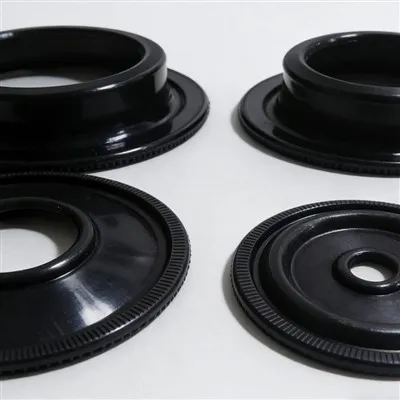
First off, let’s talk about what sealing rubber is. Sealing rubber is a super useful material. It’s used in all sorts of places, like in cars to seal doors and windows, in plumbing to prevent leaks, and in industrial equipment to keep things air – tight or water – tight. It comes in different types, such as EPDM (ethylene propylene diene monomer), silicone, and neoprene. Each type has its own unique properties, like resistance to heat, chemicals, and weather.
Now, the big question: Can it be painted? The short answer is, it depends. There are a few factors we need to consider.
Compatibility of the Paint and the Rubber
One of the most important things is the compatibility between the paint and the rubber. Different types of rubber react differently to paints. For example, EPDM rubber is quite resistant to many chemicals, but some paints might still cause it to swell or degrade over time. Silicone rubber, on the other hand, is very non – reactive, and finding a paint that will adhere well to it can be a challenge.
If the paint isn’t compatible with the rubber, it can lead to all sorts of problems. The paint might peel off easily, leaving an unsightly mess. Or, it could cause the rubber to lose its elasticity, which is a big deal because the whole point of sealing rubber is to be flexible and able to form a tight seal.
To find out if a paint is compatible, you can do a small test. Take a small piece of the sealing rubber and apply a bit of the paint on it. Let it dry and then check for any signs of peeling, cracking, or changes in the rubber’s texture. If everything looks okay after a few days, it’s a good sign that the paint might work.
Surface Preparation
Another key factor is surface preparation. Just like when you’re painting a wall, you need to get the surface of the rubber ready before applying the paint. The rubber surface is usually smooth and might have a bit of an oily residue on it. This can prevent the paint from sticking properly.
To prepare the surface, you first need to clean the rubber thoroughly. You can use a mild soap and water solution to remove any dirt, dust, or grease. After that, rinse it well and let it dry completely. Some people also recommend sanding the rubber lightly to create a rough surface for the paint to grip onto. But be careful not to sand too hard, as you don’t want to damage the rubber.
Type of Paint
The type of paint you use also matters a lot. There are special paints designed for rubber surfaces. These paints are formulated to be flexible and to adhere well to rubber. They often have properties that make them resistant to weather, UV rays, and chemicals.
Acrylic paints are a popular choice for painting rubber. They are relatively easy to work with, dry quickly, and come in a wide range of colors. However, not all acrylic paints are suitable for rubber. You need to look for ones that are specifically labeled as rubber – compatible.
Epoxy paints are another option. They are very durable and can provide a strong, long – lasting finish. But they can be a bit more difficult to apply, and you usually need to mix the two components together just before use.
Application Process
Once you’ve chosen the right paint and prepared the surface, it’s time to apply the paint. The application process is crucial for getting a good result.
You can use a brush, a roller, or even a spray gun to apply the paint. If you’re using a brush, make sure to use a high – quality brush with soft bristles. This will help you get an even coat without leaving brush marks. When using a roller, choose a small, foam roller for better control.
Spray guns can give you a very smooth finish, but they require a bit more skill to use. You need to make sure you’re spraying at the right distance and with the right amount of pressure to avoid over – spraying or getting an uneven coat.
It’s usually a good idea to apply multiple thin coats rather than one thick coat. This allows each coat to dry properly and helps the paint adhere better to the rubber. Let each coat dry completely before applying the next one.
Benefits of Painting Sealing Rubber
There are actually some good reasons to paint sealing rubber. One of the main benefits is aesthetics. If you have sealing rubber in a visible area, like on a piece of furniture or a decorative item, painting it can make it look more attractive. You can match the color of the rubber to the rest of the object or create a unique look.
Painting can also provide some additional protection. The paint can act as a barrier against UV rays, which can cause the rubber to fade and become brittle over time. It can also protect the rubber from certain chemicals and environmental factors.
Drawbacks of Painting Sealing Rubber
However, there are also some drawbacks. As I mentioned earlier, if the paint isn’t compatible with the rubber, it can cause damage. Even if the paint is compatible, there’s always a risk that the paint might affect the rubber’s sealing properties. The paint might make the rubber less flexible, which could lead to leaks.
Also, painting sealing rubber requires some time and effort. You need to do the surface preparation, choose the right paint, and apply it carefully. If you don’t do it properly, you might end up with a poor – quality finish.
My Experience as a Sealing Rubber Supplier
As a sealing rubber supplier, I’ve seen a lot of customers try to paint their sealing rubber. Some have had great success, while others have run into problems. I always recommend that my customers do their research and test the paint on a small piece of rubber before applying it to the whole thing.
I’ve also noticed that more and more people are looking for aesthetically pleasing sealing rubber solutions. That’s why I’m always on the lookout for new types of rubber – compatible paints and techniques to help my customers achieve the look they want without sacrificing the performance of the rubber.
Conclusion
So, can sealing rubber be painted? Yes, it can, but it’s not as simple as just slapping on some paint. You need to consider the compatibility of the paint and the rubber, prepare the surface properly, choose the right type of paint, and apply it correctly.
If you’re thinking about painting your sealing rubber, I’d be more than happy to help. I can provide you with high – quality sealing rubber and offer advice on the best paints and techniques to use. Whether you’re working on a small DIY project or a large industrial application, I’ve got the expertise to assist you.

If you’re interested in purchasing sealing rubber or have any questions about painting it, don’t hesitate to reach out. We can have a chat and figure out the best solution for your needs.
Industrial Equipment Valve Core References:
- "Rubber Technology Handbook" by Werner Hofmann
- "Paints and Coatings Technology: Principles, Practice, and Estimating" by Joseph M. Pappas
Tianjin TGE BIAM Graphene Technology Co., Ltd.
Tianjin TGE BIAM Graphene Technology Co., Ltd. is one of the most professional sealing rubber manufacturers and suppliers in China, also supports customized service. Please feel free to buy bulk advanced sealing rubber in stock here from our factory. For quotation, contact us now.
Address: No. 24 Sanjing Road, Dongli Development Zone, Tianjin City, China.
E-mail: sales@tge-tj.com
WebSite: https://www.tge-valve.com/
