As a professional plugs supplier, I’m often asked by customers whether they can repair a damaged plug themselves. This is a common concern, and the answer isn’t as straightforward as a simple yes or no. In this blog, I’ll explore the ins and outs of DIY plug repair, weighing the pros and cons, providing safety tips, and sharing some insights on when it’s better to seek professional help. Plugs
Understanding the Basics of Plug Structure
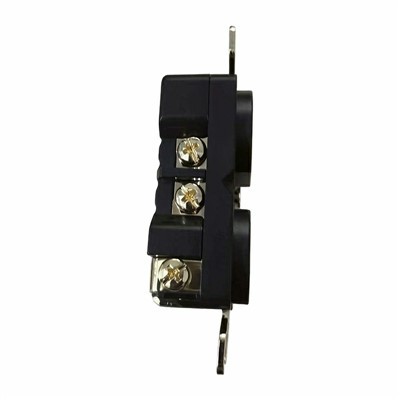
Before attempting any repair, it’s essential to understand the basic structure of a plug. A standard plug generally consists of a casing, prongs, wires, and a terminal block. The casing is usually made of plastic or rubber, which provides insulation. The prongs are the metal parts that connect to the electrical outlet. Inside the casing, there are wires that transfer electricity from the outlet to the appliance, and these wires are attached to the terminal block.
The terminal block is a crucial component that secures the wires in place and ensures a proper electrical connection. It’s important to note that different types of plugs may have variations in their structure, such as the number of prongs, the presence of grounding wires, or the internal wiring configuration. For example, a three – prong plug has a grounding wire that provides an additional safety measure to protect against electrical shocks.
When DIY Plug Repair is a Good Idea
There are certain situations where repairing a damaged plug yourself can be a viable option. If you’re dealing with a simple issue like a loose wire, it can be relatively easy to fix. For instance, if the wire has come loose from the terminal block, you can usually open the plug casing, reattach the wire securely, and then reassemble the plug. This requires only basic tools such as a screwdriver to open the casing and a pair of pliers to tighten the wire connections.
Another scenario where DIY repair might be suitable is when the plug casing is cracked but the internal components are intact. You can use epoxy resin or a suitable plastic adhesive to repair the crack. Make sure the plug is disconnected from the power source before attempting any repair on the casing. After applying the adhesive, let it dry completely according to the manufacturer’s instructions.
Doing your own plug repair can also save you money. You don’t have to pay for the labor costs of a professional electrician, and you can use your own basic tools. Additionally, it can be a rewarding experience as you gain a better understanding of how electrical appliances work.
The Risks of DIY Plug Repair
However, DIY plug repair also comes with significant risks. Electrical work involves dealing with potentially dangerous voltages, and a small mistake can lead to serious consequences. If you’re not familiar with electrical safety procedures, you could expose yourself to electric shocks. For example, if you touch a live wire while working on the plug without properly de – energizing the circuit, it can cause a severe shock that might even be life – threatening.
Incorrectly reassembling the plug can also lead to electrical fires. If the wires are not connected properly, it can result in a short circuit. A short circuit occurs when the electrical current takes an unintended path, generating excessive heat that can ignite the surrounding materials. This is especially dangerous in the case of frayed wires. If a frayed wire is not repaired correctly, it can increase the risk of a short circuit and fire.
Another risk is that improper repairs may void the warranty of your appliance. Many manufacturers state in their warranty terms that any unauthorized repairs can nullify the warranty. So, if you attempt to repair the plug yourself and then later encounter more serious issues with the appliance, you might not be able to get it repaired or replaced under warranty.
Safety Precautions for DIY Plug Repair
If you decide to go ahead with DIY plug repair, it’s crucial to follow strict safety precautions. First and foremost, always turn off the power at the circuit breaker or unplug the appliance from the outlet before starting any work on the plug. This ensures that there is no electrical current flowing through the plug, reducing the risk of electric shock.
Use appropriate safety gear such as insulated gloves and safety glasses. Insulated gloves provide an extra layer of protection against electric shocks, while safety glasses protect your eyes from any debris that might be generated during the repair process.
When working on the wires, make sure they are properly stripped. Use a wire stripper to remove the insulation from the ends of the wires, but be careful not to cut into the wire itself. After stripping the wires, ensure that they are tightly connected to the terminal block. Loose connections can cause overheating and electrical problems.
When to Seek Professional Help
There are several situations where it’s best to leave plug repair to the professionals. If the damage is extensive, such as when the internal wiring is severely damaged or the plug has been involved in a short – circuit event, it’s safer to call an electrician. Electricians have the expertise and specialized tools to diagnose and repair complex electrical problems.
If you’re unsure about any aspect of the repair process, it’s also advisable to seek professional help. Trying to fix a plug without the necessary knowledge and skills can lead to more problems and potential safety hazards. For example, if you’re not sure how to handle a grounding wire or if you don’t understand the correct wiring configuration for a particular type of plug, an electrician can provide accurate guidance.
Our Role as a Plugs Supplier
As a plugs supplier, we are committed to providing our customers with high – quality plugs that meet safety standards. We offer a wide range of plugs, including different types, sizes, and configurations to suit various appliances and electrical systems. Our products are rigorously tested to ensure reliability and safety.
In addition to supplying plugs, we also provide valuable information to our customers. We can offer advice on choosing the right plug for your appliance, and we can educate customers about proper installation and maintenance. If you prefer not to repair a damaged plug yourself, you can always replace it with one of our high – quality products.
Conclusion

In conclusion, while it is possible to repair a damaged plug yourself in some cases, it’s important to weigh the risks and benefits carefully. DIY plug repair can be a cost – effective and rewarding option for simple issues, but it also comes with significant risks. Always prioritize safety, and when in doubt, seek professional help.
Hardware Fittings If you’re in need of high – quality plugs or have any questions about plug installation, replacement, or repair, feel free to get in touch with us. We are here to assist you and ensure that you have a safe and reliable electrical supply for your appliances.
References
- Electrical Safety Standards Handbook by a team of electrical engineers
- DIY Home Electrical Repairs Guide published by a well – known home improvement magazine
Foshan Haosheng Technology Co., Ltd.
As one of the leading plugs manufacturers and suppliers in China, we warmly welcome you to buy advanced plugs made in China here and get pricelist from our factory. All customized products are with high quality and competitive price.
Address: No.4, Jinsha Liansha Shangliang Development Zone Avenue, Danzao Town, Nanhai District, Foshan City, Guangdong Province, China
E-mail: 13925140140@163.com
WebSite: https://www.hssocket.com/
